I wanted to believe that my work of writing about this topic had since passed and that I would never again have to write in defense of it, of us, of the nature of our being. Unfortunately we still live in a world where there are people who still do not understand us, that still have false beliefs about who and what we are, where we come from, and the things we have faced in our youth, all consequences we never chose.
Choice, that is the subject matter of this article and it is in reference to those of us who belong to the LGBTQ+ community. For the past 20 years, human sexuality has been a constant topic of interest for me. For the past 10 years it has been a topic of research, reading, writing, and conversation as well.
Over the last two decades I have occasionally encountered the belief that members of the LGBTQ+ become lesbians, gays, bisexuals, and transgender by choice. That they also choose to have feelings, both emotional and sexual, towards members of the same gender. Typically this opinion comes from those who are very unfamiliar on the topic, but whom sometimes feel the need to be vocal about their opinion anyway. They are also usually politically conservative and religious.
Engaging these people in conversation can often lead to a breakdown of their tightly held belief, particularly when you swap the words lesbian, gay, and bisexual with the word straight. To counter question if straight people make the conscious choice to be straight, as opposed to any other sexuality, has generally been enough to silence or even alter the mindset of the proponents I have met who held this belief.
I used this very argument about ten years ago, when I had befriended the most religiously conservative person I have ever met in my life. I have written about him several times before, and as always I will not reveal his identity for the sake of his privacy. In this article I will refer to him as “Dylan.”
Dylan admitted that he had never exchanged any meaningful conversation with anyone who identified with the LGBTQ+ before, he had never taken the time to listen to or read information from someone of my community, as he never felt inclined to do so. He did, however, have opinions about the LGBTQ+ that he formed from religious scripture, his parents, friends, conservative talk show hosts, and other such conservatively bias sources.
The very nature of his perception was based solely on this determination: that gay people have sex with other people of the same gender. Beyond that he knew nothing else aside from the far left political positions of the LGBTQ+. I remember distinctly the moment he realized that the personal lives of the lesbians, gays, and bisexuals did not center solely around same-gender sex. He bluntly remarked, “I had no idea love was involved.”
Not even for a moment did he consider that two men or two women could actually love each other and that it was a central factor in same-sex relationships. That concept was just not even on his radar of possibilities because the sources that led to his opinion never offered him that possibility. Dylan was not a bad person, he was not intentionally forming negative beliefs about the LGBTQ+, he simply never found himself in a situation where he was learning from someone in the community.
He wasn’t the only person learning things during our conversations, I was learning things too. About how his perspective was formed, why he held certain opinions, where he was getting his information, what people, books, and media sources had built up a veil through which he viewed something he had no firsthand experience with. By seeing and understanding the barrier between us, we figured out how to cross it.
The barriers are like walls or trenches, dividing people who could otherwise learn a great deal about one another and often times come out the other side as both better people. These trenches are dug by misinformation, misunderstanding, lack of desire to learn, preconceived notions, tightly held false beliefs, fear, lies, and even self-hatred.
Dylan once asked me why I wanted to like other men. It was quite possibly the strangest question he had ever asked me. Where he had drawn the conclusion that I had wanted to be emotionally and physically attracted to other men was befuddling to me. Why would he think that? How did he come to the belief that I chose to like other men?
Not knowing the best way to answer his question, I decided to ask him the same thing. Why did he decide to like women? He replied that he didn’t decide, it just happened over time, he discovered that he was attracted to girls and as he grew older he felt drawn to know and learn more and more about them both emotionally and sexually. He found himself developing feelings for certain girls he met, a powerful attraction that compelled him to pursue them.
I explained to Dylan that his answer was the same type of answer any LGBTQ+ person will give. While the source of what causes lesbians, gays, and bisexuals to be attracted to the same gender may still be open for debate, how that attraction works is the same as with straight people. Most lesbians, gays, and bisexuals realize they are attracted to people of the same gender when they are young. Some as early as childhood during their pre-teens, but most realize it during adolescence. Some do so even later during their post-adolescence. I was eleven years old the first time I realized it.
While it is a little more difficult to put it into this perspective, one could also ask why do you like chocolate? Why do you like the color blue? Why do you like the scent of lavender? The answers to these questions are not easy to convey, but what we know is that whether we like them or not, we never made the conscious choice to do so or not to do so. We just simply discover a preference, and for those of us who like them, we are simply drawn to them, to experience them and for those who don’t like them, they feel the need to avoid them. No one chooses to like them and no one chooses to hate them. No one chooses to be or not be lesbian, gay, bisexual, or straight, we merely discover it.
So is there any kind of choice at all when it comes to human sexuality? Yes, there is a choice to be made. The choice to act on the things we feel. Dylan and I came to this agreement a decade ago, that indeed no one chooses what gender they are emotionally and physically attracted to, but everyone chooses whether or not they want to act out those feelings.
While that statement is absolutely true, it doesn’t mean it’s a positive conclusion. In fact, while everyone has the free will to not pursue the people they find emotionally and sexually attractive or engage in sexual relations with, the resulting effect on that person for making the choice to abstain is dire. Just because a straight man may choose not to engage in any kind of intimate relationship with a woman, doesn’t mean he’s no longer straight. Just because a gay or bisexual man chooses not to engage in any kind of intimate relationship with another man, doesn’t mean he’s no longer gay or bisexual.
Deteriorated mental health is the leading consequence for lesbians and gays who choose to not allow themselves to become romantically and sexually involved with those of the same gender. A similar effect occurs with heterosexuals who also choose not to engage emotionally or sexually with those of the opposite gender. Why is this? It’s likely due to the fact that we are programmed to seek out meaningful, healthy, productive relationships with others.
You do not have to be a member of the LGBTQ+ community to know that mental health issues abound for gays and lesbians still inside the proverbial closet, pretending to be and living out their life as though they are straight. From drug addiction and alcohol abuse, to depression and social anxiety, gays and lesbians face many consequences for choosing not to act on their natural desire to be in same-gender relationships. Most often this choice is made out of fear, the fear of being rejected by the people in their lives, such as family members, friends, and coworkers.
Sometimes the choice is not one of just fear, but one of hatred. More specifically self-hatred. Where this self-hatred spawns from is often different for each individual. It can be born from a religious belief, from a culturally inherited social belief, or from a self-created perception of what it means to be a man or a woman. As an example, I’ll use myself. When I was much younger, I not only refused to accept that I was interested in other guys, I hated the feelings altogether.
Once I realized that I was more than just a little curious about other guys and that in fact I was becoming emotionally drawn to them in a very romantic sense, my fear of being a faggot and others discovering it grew into hatred. First as a hatred towards gays and lesbians for multiple reasons, and eventually as self-hatred.
It made me angry when I saw people who were obviously gay. I didn’t want to see gay people, I didn’t want to hear them speak, I didn’t want to be around them or be acknowledged by them. I hated them because of how they acted, how they dressed, how they talked, I hated that they kissed each other in public, I hated that they held hands, I hated that they thought it was okay to not only have gay feelings but to also act on them. I saw them as sinful, dirty, disgusting degenerates. I hated that they were happy and that I wasn’t happy. I hated that they accepted themselves and each other. I hated them because they reminded me of the very thing I hated about myself and wanted to dispel from my mind.
Conversion therapy, which attempts to turn gays and lesbians straight by building a mental connection between homosexuality and punishment/negativity, has now been made illegal in several states, counties, and cities across the United States, because it doesn’t actually turn gays and lesbians straight. What it does instead is give them psychological trauma regarding their sexuality. Essentially conversion therapy is exactly what I did to myself when I was a kid, I just didn’t need to be shocked by an electric current every time I was exposed to something homoerotic. Instead I punished myself until I became depressed and mentally unstable, which is exactly what happens to patients who go through conversion therapy.
My futile attempt to get rid of my interest in other men grew from hating gays to hating myself. Back then, I was still religious and would pray to God to get rid of the feelings for me. I’d promise Him all of these different things if He would take it away, such as being nicer to my siblings, doing better at school, all these silly things that kids think about. For years I prayed to be free of this curse and that’s really how I saw it – as a curse. I didn’t understand why God had made me that way, why He created me as a faggot, but for years I would silently cry myself to sleep worrying about it, scared of it, hating it, hating myself, wishing, praying for it to be taken away.
I would try in vain to not think about it, every time the thoughts would arise when I was around another guy I felt attracted to, I’d try to push them out of my head, try to distract myself from it. I’d call myself a faggot, tell myself that it was sick and disgusting, that I was a freak, to make the thoughts stop. It was ridiculously impossible, but I refused to accept that I was some kind of queer. Every day at school I was put into the situation of seeing or meeting other boys I was attracted to, every night on television there was a good chance I’d see a man I thought was attractive. Every single day of my life I lived on my own little island of hell, where every moment I fought a losing battle against the nature of my own being.
By the time I reached sixteen, I was incredibly introverted, depressed, and so lost inside my own head, I struggled to live outside myself. I now look at pictures of me from back in those days and I see so much sadness, so much fear inside of me that I can’t stand to look at those pictures for long. I wasn’t really a person anymore, a shell of one, a ghost of a person. Pretending to be someone that I wasn’t just to keep from completely falling apart. It’s no wonder that I began having suicidal thoughts. I came to the conclusion that dying was a better idea than accepting homosexual thoughts and feelings, I was convinced that being dead was better than being a faggot.
The first time I planned to kill myself was the summer after my sophomore year of high school. The only thing that stopped me was fear, the fear of dying alone on a hillside and the thought that everyone would still hate me, not just for having gay feelings, but for choosing to die. Less than two years later, I began thinking about crashing my truck on purpose to kill myself. I’d think about it every day on my way to work. I was 19 the second time that I decided to stop thinking about killing myself and just do it, and I intended to shoot myself when no one else was home. Before that happened, however, I confessed my feelings to other people and they intervened.
The truth is, no one wants to complete suicide, no one wants to die, they just don’t want to hurt anymore. It took a lot of self-healing and self-acceptance to stop hating myself, and it took a long time to realize that no matter what I did, I would never stop having feelings for certain individuals of the same-gender and that it was okay to have them, whether I be gay or bisexual.
Now days, when I hear people state the false belief that lesbians, gays, and bisexuals choose to have that attraction to members of the same gender, I am reminded of the horror I went through as a kid. That opinion insinuates that by choice, I lived through my own hell, when indeed I could have merely made the easy choice not to have an emotional and physical attraction to other members of the same gender if I wanted to. It truly is absurd and naïve, an unfounded belief that has no merit or logic.
I can imagine a young guy or girl, hearing someone say that to them or in their presence and feeling that same sense of fear, anguish, and self-hatred that I once felt. The thought makes me angry, it makes me angry that anyone could be so unaware of the harm of what they mistakenly believe to be true. Thoughts and opinions can be dangerous to those who are young and susceptible to the influences of those they look up to or care about.
Young LGBTQ+ members complete suicide because they don’t believe anyone would love them for who they know themselves to be. They are afraid of the thoughts and opinions of people who speak demoralizing words of ignorance and hatred towards the LGBTQ+ and who use legislation to oppress and dehumanize them. It is for them that I write this, it has always been for them that I made the choice to ever begin writing at all about my own experiences. And it’s because I was once just like them, I used to be that kid uncertain if his family would throw him away, if his friends would turn their backs on him, the kid who wondered if anyone cared, if he would ever feel loved and accepted.
On the long dark road of coming to terms with who and what I am, I have lost people along the way. People that I once cared for, who mattered greatly to me, that I wanted to have in my life forever, to share life experiences with, to make memories with, to bond with emotionally and spiritually. I lost them because they chose to believe negative and false things about lesbians, gays, bisexuals, and transgender people. They chose to not learn or understand, they chose to not listen or inquire, they chose to not walk a mile in our shoes.
The trench that is dug between us, is never as wide or deep as we believe it to be, and I am convinced that if both sides are willing to talk, to learn about the other side and why they believe what they do and if they are willing to consider their beliefs or opinions might be wrong, then it is possible to live in tolerance and compromise. Some of the best people I have met, turned out to make the worst choices because of false opinions they held about other people they didn’t know or understand. But even when you light a fire in the trench and walk away, it doesn’t mean that it can never be crossed.
From Thich Nhat Hanh, the venerable Vietnamese monk who strives to live and spread the teachings of Siddhartha Gautama, I’ve learned this simple lesson: There should be no coming, no going, just being.
More than anything else, these past few years have reminded me how much joy can be found in being alone. There is a major difference in loneliness and aloneness. Being lonely is an emotional state, being alone is a philosophical state. One can be alone without an attachment to any particular emotion, or even to no emotion at all.
I used to read stories about people who traveled into the wilderness, or who went off to some retreat in a secluded monastery, etc, to be alone. To contemplate who they were, why they were, where they spiritually came from, how inexplicably they came into existence, what it meant to be conscious, whether or not there truly is a self, what it means to be alive, what it means to die, and so many more deep philosophical questions.
When I was much younger, I spent a lot of time alone outside, in the woods, wandering. I’d turn over rocks to investigate what was underneath. I’d lean in close to flowers to find out if they had a scent and to see what they looked like on the inside. I’d touch trees to discover what their bark felt like and wondered if they could feel me too. I’d walk along the creek and watch the water trickle by and reach down to touch its coldness, and try to find any fish swimming beneath the surface. I’d sit on rocks and stare down into the valley below me, wondering curiously about everything that was me, everything that wasn’t me, and if there really was a difference between the two.
Curiosity, the desire to explore and learn, the contemplation of things outside yourself and inside of you, these are the traits that I would wish to instill in any child. The distraction of a crowd or the entertainment in company is nice sometimes, but there can be true solace in being alone. A kind of solace that can shift your perception of life and reality, of virtue and morality, of purpose and meaning.
It seems to me that people these days are too dependent upon constant attention and socialization. They cannot stand moments of silence or aloneness. Particularly younger generations who have grown up with online social networks… the knowledge that at least someone else is always out there, just a few short keyboard strokes away. A stark difference to my own childhood, where if I wandered off into the woods, there was no phone for me to take, no tablet, no source of human interaction or distraction at all but my own mind, and on many occasions my dog.
How sad that it is to me. How sad it is that people cannot stand to be alone with themselves. I have become so confounded by youths abrasiveness towards not being constantly entertained or receiving constant attention. I’ve noticed even in myself the repetitive act of picking up my phone every time it beeps, flashes, or vibrates with some alert from a social application.
Teens and even children these days are always complaining, “I’m bored!” “This is boring!” When indeed it is not the environment or situation in which they find themselves that’s boring, rather it is they who are boring, it is their chosen behavior and mindset that is boring.
There is always something to do, always something that can be done, and sometimes that something is a moment of quiet contemplation, meditation, self-reflection, or perhaps even just an awareness of one’s surroundings. There is never a moment when there is literally nothing to do. The issue is the value placed on thoughts and activities. To take a page from Nhat Hanh, every tedious action can be extraordinary, if only the person could focus on it. He often writes of paying attention to the tasks we are completing, even if the task is eating an orange or washing dishes. No matter how tedious the act, it can be an immersive experience if we just try to be mindful of it.
Often times we as adults don’t even need cell phones to distract us from the more insightful aspects of life. Indeed we are our own distractions, with our minds constantly being sucked into a vortex of worries, work stress, appointments that need to be made, house work that needs to be done, groceries to add to the list, places we need to be, the time we need to leave. In this way we become slaves to the coming and going of life, so much so that in our rush going through life, we actually forget to live.
In his lessons, Nhat Hanh teaches us that we shouldn’t get lost in the coming and going of life, that the hurried nature of modern life and particularly of adult life is bad for us and for our kids. We’re teaching them that life is about constant tasks, constant schedules, constant distractions, constant entertainment, when it absolutely shouldn’t be. There needs to be breaks in between, moments of solitude, moments of silence, moments of solace. No arrival, no destination, just being. Take in the moment, for this moment is the only moment we exist in.
Not every good person makes good choices. I spent my childhood obsessively learning about animals, my family can attest to that. When I borrowed books from the library, the overwhelming odds guaranteed that it was animal related. I knew more about different animal species than anything else. Books, television shows, documentary films, I was enthralled by the animal kingdom. Utterly captivated by all the various forms of life, and it’s why I spent so much of my time in the woods when I was a kid, observing, interacting, and experimenting.
When I learned as a child that there were animals that no longer existed, having gone extinct in the last few centuries, I was devastated. In just the past one-hundred years we have lost many different animals including the Tasmanian Wolf, the Caspian Tiger, the Formosan Clouded Leopard, the Caribbean Monk Seal, the West African Black Rhinoceros, the Hawaiian Crow, the Yangtze River Dolphin, and the Pinta Tortoise, just to name a few. There are so many animals that have gone extinct, vanished off the Earth who’s only records of existence are now bones and if we’re lucky old photos or hand-made drawings.
The International Union for Conservation of Nature has compiled a “red list” of plants and animals that ranks them by one of nine labels, from those that are of “least concern” to those that are “extinct”. As of 2016 they have collected data on 849 species of plants, mammals, reptiles, amphibians, birds, fish, cephalopods, mollusca, and insects that have all gone extinct.
Today, there are only three known living Northern White Rhinos on this planet, and they live in a protected conservation area in Kenya with armed guards on watch 24 hours a day to keep poachers away. Think about that. Just three. Imagine if there were only three humans left on this planet. Let that sink in. Humans are animals too. Our existence is no more a guarantee than any other given mammal, or reptile, bird, etc.
Some species went extinct because they were specialized (evolved to fit into a specific niche) and when their environment changed naturally or by human involvement they could not adapt. Others are less specialized in given habitats and can fill gaps in various ecosystems, such as the coyote. Some animals are hunted illegally (poached) for their body parts such as the African Elephant for their ivory tusks which has caused them to be listed as vulnerable to becoming endangered, and the Java Rhino for their ivory horns, sadly now a critically endangered species with fewer than one-hundred in the wild.
Conservation matters. Some animals, such as invasive species of wild pigs in the United States and many other countries around the world, need to be controlled because their populations can boom and damage the local ecosystem. In some areas they have no natural predators to control their population density. The native species are not able to compete with these invaders and are chased out of the ecosystem or face starvation due to their food source being overtaken by the wild pigs. Some species of deer also lack or have limited natural predators who would otherwise control their populations and without control, diseases spread which can affect other animals, including humans. Increased populations of either of these species also means that contact between them and people increases, resulting in property damage, crop destruction, and motor vehicle accidents.
In the United States, The North American Bison were hunted excessively and their numbers became critically low, almost to the point people feared they would go extinct. Today they are listed by the IUCN as “near threatened” thanks to conservation efforts. Gray Wolves, sometimes known as Timber Wolves, were also so heavily hunted that they nearly got wiped out. Their lack of presence caused deer populations to surge. To this day, wolf populations are still limited to certain areas after having been reintroduced. This vacancy elsewhere has been filled by coyotes (some of which are now a hybrid species) and pumas (also known as cougars or mountain lions) migrating from the southern United States. The IUCN lists Gray Wolves as of “least concern” because of conservation efforts and their reintroduction in North America, however, in much of Western Europe the Gray Wolf is extinct.
A part of conservation is protecting animals who’s numbers are becoming too low and are at risk of being listed as a threatened or endangered species. At these phases, we need to look at what’s happening and figure out what to do to stop it from progressing. Many private and federal organizations exist to stem the tide of dwindling animal populations, to protect and preserve them for future generations, who undoubtedly will hold us responsible for the state of the natural world they will one day inherit from us. I don’t want future generations to have to learn about extinct species from bones and photographs, animals that I was able to see alive during my lifetime, but whom our generation failed to save.
A large problem when it comes to protecting animals is that some people just don’t care. Sometimes they argue about “the food chain,” some quote the Bible where it effectively states man’s dominion over animals as a justification for treating them however they want. Sometimes the issue is that profit is more enticing and is more important to some people than preservation. Sometimes they talk about Darwin’s theory of evolution and how only strong or adaptive species survive, and sometimes it’s just pure human arrogance and a lack of concern for other life forms.
The reality is that humans are animals. We consume nutrients and defecate, we socialize, we communicate, breed and reproduce, raise young and die. We are no different in those aspects than many other animals. We may be different in our mental faculties compared to other animals, but there are also a wide variety of awesome abilities in the animal kingdom that we humans do not have.
There’s also a wide variety of abilities in the plant kingdom. For instance, did you know the Sacred Lotus is one of only three plants that can control its internal temperature? Something we often only associate with warm-blooded animals.
According to the European Molecular Biology Laboratory – European Bioinformat ICS Institute, and the Tech Museum of Innovation in association with the Department of Genetics at the Stanford School of Medicine, human beings share some of their genetic material with other living things. From plants to fungi, mammals to birds and reptiles, all living things on this planet share the same origins. Over millennia of evolution, all living things have branched out many times and gone in many different evolutionary directions, but some of the same basic genetic material has been kept within us all.
Human beings and chimpanzees share 98.8% of the same DNA, but how similar is our DNA to other living things? We share about 88% with the common house mouse, about 85% with domestic cattle, 75% – 85% with zebra fish, 69% with the marsupial the Platypus, 65% with chickens, 37% – 47% with the fruit fly, 44% with honey bees, 21% – 38% with round worms, 24% with wine grapes, 18% with baking yeast, 15% with mustard grass, and 7% with various types of bacteria. It definitely brings things into perspective when you look at how similar all living things are on a genetic level.
Disrespecting animals is the same as disrespecting humans, most dog lovers can tell you this without knowing that human beings share 84% of their DNA with dogs. We are all equal in terms of the value of and the right we have to exist. We’re all just trying to survive. Killing an animal is the same as killing a human in that you have ended the life of a living being. You can tell yourself that it’s not the same in order to feel better about yourself, but your feelings don’t change reality. We’re all flesh and bone, organic. We all take in information about our surroundings and process it in some way, we all have a sense of awareness.
Studies into animal consciousness are changing what we once believed true about how they perceive the world around them, how they process this information, their social behavior, and their ability to think and reason through situations and problems they encounter. Any dog or cat owner can tell you that their pet is more than just some mindless, emotionless, entity they feed and live with. Through varying personalities and behavior these animals become members of the families they live with.
Humans are neither better nor worse than other living things, but our level of critical thinking and the expansion of our cortex grants us a higher sense of moral being and this ability gives us the opportunity and quite possibly the obligation to sustain the living things we share this planet with. Through preservation and protection, through environmental awareness, ecological impact, conservation education, and the general realization that we don’t own this Earth, but that we coexist on it, we can work towards a more sustainable future for ourselves and the living things we share this planet with.
This writing is available as an audio track on SoundCloud:
Abortion, Abstinence, Abuse, Birth Control, Teen Sex, and Unwanted Pregnancy
One in every five American teens lives in poverty. Abuse, poverty and a lack of opportunity plays an important role in not only teen pregnancy, but also unwanted pregnancies in general. Later in this article I will give you some troubling statistics on abuse, teens, and sex.
The purpose of this article is to shed some light on why safe sex education is important, why birth control contraceptives must be made available, and why financial, medical and emotional support matter, especially for teens.
This article, I hope, will tie these topics together and aid you in your understanding of how they are all connected and why it should concern you. The decisions we make, the opinions we form, these things shape the moral and political landscape our children are growing up in.
We live in a nation where a particular 25% of the population will do everything they can to keep a young woman or in some cases a teenage girl from accessing birth control or morning after pills and will not only still shame her when she unintentionally gets pregnant, but will also do everything they can to prevent her from having an abortion once she is.
They support limiting her access to government funded healthcare during various stages of gestation even though she will likely be impoverished and cannot afford it on her own, as they don’t believe taxpayer money should go towards supporting her pregnancy. The pregnancy they insisted she continue.
Once she gives birth, they will shame her again and do everything they can to prevent her from receiving government funded assistance including food stamps, to care for the child they shamed her into having in the first place.
This 25% of the American populace I’m talking about are the more than 80 million Americans who allegedly oppose the use of birth control to the point at which they lobby to pass laws that free companies from paying for them through employee insurance.
These more than 80 million Americans allegedly believe that abstinence from sex is the only “safe sex” and the answer to America’s problem with teen pregnancy. They believe that the best way to control and end the spread of HIV and other STDs is for young people to simply just stop having sex.
These Americans also believe institutions like Planned Parenthood should not only never receive federal funding, but should just be shutdown completely.
These Americans label themselves Evangelical Christians.
The reality is that abstinence doesn’t work for everyone. If you are 16 years old to 40 years old and sexually functional and not impotent, and if you do not suffer from some form of physical or psychological disorder, then chances are you are sexually active and not abstinent.
According to the Vatican, as of 2014 there were some 3,400 cases filed against the Roman Catholic Church alleging sexual abuse by Catholic priests who were supposed to be celibate – abstaining from all sexual activity.
If these men, who are supposed to be the most religiously pious men on Earth, cannot control their sexual desires, how can we rationally believe that all teenagers can abstain from sex?
How are all teenage boys raging with hormones and young adult men supposed to avoid condom use and abstain from sex completely, and teenage girls and young women not be on birth control and remain abstinent, until they are ready for parenthood? It is simply just not reasonable to have that kind of expectation of an entire population.
In the following statistical data you will see that we live in a nation where safe sex education, birth control contraceptives, condoms, Plan B contraceptives, and establishments like Planned Parenthood, are all necessary. And yes, sadly even abortion.
I find late-term abortion appalling, perhaps you do too, but I find a lot of things in this life and this country appalling. In 2013, the Center for Disease Control reported that 200 abortions occurred per 1,000 births.
I did not find data on what stage these abortions occurred, which to me would be the most important data point of all. It matters greatly at which stage abortions take place and since we live in a world where people will still have them regardless of whether they are legal or illegal, understanding what happens and when is immensely important.
In my opinion, which is based on everything we currently know about human consciousness and the identity of self and awareness, an abortion during or before week 5 (prior to the formation of the prefrontal cortex) is no more murder than cutting out your appendix or pulling a weed out of your flower bed.
Any abortion following this stage is risky as the brain then begins to develop in different sections, including the prefrontal cortex in the left and right hemispheres. The left being the most important and based on what we currently know in neuroscience, the part that understands you as an “I”, eventually giving you the ability to learn language and an awareness of self.
Having an abortion at this phase would be ending a life more complex than pulling a weed out of your flower bed, in other words ending a human consciousness to some degree.
If you still draw conflict with any form of abortion, let me inform you on what kind of existence this eventual human life will be born into.
First, you need to grasp the reality that unwanted pregnancies are the result of several possible factors, many of which are interconnecting. The pregnancy may have occurred due to extreme scenarios like sexual or mental abuse or even rape, it may have been affected by substance abuse, lack of sex education, or even a lack of opportunities for alternative life choices.
In many cases that potential human life could be brought up into a life of physical and/or sexual abuse, neglect, exposure to substance and alcohol abuse, poverty, or even abandonment. You must understand that unwanted pregnancies may lead to unwanted children and the option of simply giving your child away to adoption is not always possible or even considered.
According to UNICEF, 7 out of every 1,000 American children who are born will die before they ever reach the age of 5.
In 2015 alone, more than 1,600 children died from abuse or neglect and in 80% of those cases at least one of their parents or guardians were involved. More than 7 million children were reportedly being abused, and 3.4 million received treatment for that abuse in 2015.
The United States has the highest rate of child abuse in children under 1 year of age out of all developed countries. 27% of children in the U.S. who are victimized are under the age of 3.
In a recent 10 year period, an estimated 20,000 children have died in their own homes in the United States due to abuse and neglect.
Every year some 60,000 American children are sexually abused and 90% of the abusers are family members, teachers, friends, or someone else the child knows.
Children who are abused are nine times more likely to grow up and become involved in illegal activity. 30% of abused children will later in life abuse their own children. 50% of inmates in American prisons were abused as children.
80% of 21 year old Americans who were abused as children currently suffer from at least one mental illness.
Having parents who have an addiction to drugs or alcohol increases the risk the child will be abused by 3 to 4 fold. More than 30% of teens who were abused as children will develop their own substance abuse problem before they turn 18 years of age.
Abused teens are also 25% more likely to be involved in teen pregnancy. As I said in the beginning, teen pregnancies and general unwanted pregnancies are greatly influenced by abuse, poverty and the lack of economic, educational, and familial/social opportunities.
Adolescents who can envision positive futures for themselves are more likely to maintain healthier sexual behaviors and to avoid or reduce sexual risk-taking, but there are racial and ethnic disparities that delineate young people’s ability to perceive positive futures.
One analysis used data from Add Health to study the “future certainty” of 5,900 teens (average age was 16) and to identify disparities among White, African American, and Hispanic youth.
Findings showed that White youth held the most positive perceptions of life certainty (defined as living beyond age 21 and surviving to at least age 35), college certainty, and marriage certainty.
Furthermore, youth with the most positive life, college, and marriage certainty also had the highest levels of sexual knowledge.
46% of high school students say they have had sex. The majority of which were seniors. 39% of all sexually active U.S. high school students did not use a condom at last intercourse.
6% of all U.S. high school students admit to having had sexual intercourse before the age of 13, but in a survey of ten U.S. states nearly 20% of middle schoolers surveyed said they have had sexual intercourse.
Almost 14% of all U.S. teens will have had sexual intercourse with 4 or more partners by the time they’ve graduated high school.
Despite recent declines, teens giving birth in the U.S. remain as much as eight times higher than in other developed countries. In 2009 approximately 4% (410,000) of females aged 15-19 gave birth.
The abortion rate for U.S. teen females aged 15-19 in 2008 was 14.3 per thousand females of that age, and this age group accounted for more than 16% of all abortions.
We are the shepherds of our children’s future. The decisions we make about our lives and about their lives today, greatly impacts who they become and what they choose to do in the future. The resources, information, and assistance available to both them and us can greatly shape and guide this nation moving forward. We must at all times remember that no choice is without consequence.
Specific Sources of Research:
Davis MJ, Niebes-Davis AJ. Ethnic differences and influence of perceived future certainty on adolescent and young adult sexual knowledge and attitudes. Health, Risk & Soc. 2010;12:149-167.
Centers for Disease Control and Prevention. Youth Risk Behavior Surveillance: United States, 2009. Surveillance Summaries, June 4, 2010. MMWR 2010;59(No. SS-5).
Martinez G, Copen CE, Abma JC. Teenagers in the United States: Sexual activity, contraceptive use, and childbearing, 2006—2010 National Survey of Family Growth. National Center for Health Statistics. Vital Health Stat 23(31). 2011.
Mulye TP, Park MJ, Nelson CD, et al. Trends in adolescent and young adult health in the United States. J Adol Health. 2009;45:8-24.
Martin JA, Hamilton BE, Ventura SJ, et al. Births: Final Data for 2009. National Vital Statistics Reports. U.S. Department of Health and Human Services, National Vital Statistics System. 2011;60:1.
Pazol K, Zane SB, Parker WY, et al. Abortion surveillance — United States, 2008. Morbidity and Mortality Weekly Report. 2011;60:15.
Various Other Sources of Generalized Data:
U.S. Department of Health & Human Services, Administration for Children and Families, Administration on Children Youth and Families, Children’s Bureau, Childhelp USA, Centers for Disease Control, and Every Child Matters Education Fund.
The Darkest Corners of the Cyber World:
Sexual Predation and Exploitation
Sexual predation and exploitation is the topic of this article, more specifically it’s about catfish who use social media and social apps to seduce and trick young men and women into sending naked photos and sexually themed videos, and then turn around and post that sexual content of the unsuspecting victim online for others to see, sometimes including the victim’s name, physical location, and links to their social media profiles.
Another form of sexual predation is “sextortion.” This kind of abuse involves mostly threats of public humiliation if the victim does not comply with the demands of the predator.
According to a study by the Brookings Institution (the only known study of its kind) involving 78 prosecuted cases and over 1,397 known victims, minors under the age of 18 make up 71% of victims. The average age of child victims is 15.
They also found that 91% of these cases involved social media manipulation through which threats, coercion, and exploitation occurred. In 17% of cases the predator demanded in-person sexual contact. The details in these cases are horrific. The things these predators forced their teen victims to do on camera would haunt the most stoic of us.
When it comes to adult victims of sextortion, the majority of victims are female and 43% of victims have their computers hacked. This includes email accounts, social media accounts, computer hard drives, cloud drives, and webcams.
Sexual exploitation online has become a trend in the last few years, it has become almost like a sport to sexually exploit unwitting victims, to see just how many victims they can take advantage of.
In one of the case studies I read while writing this article, a sexual predator catfished as a young girl and had tricked a 14 year old boy into sending him explicit photos and videos.
Afterwards the sexual predator informed the teenager that he had been tricked, and then threatened to send the boy’s explicit content to the teen’s classmates, friends, and family, if the teen did not continue sending new explicit content.
The details in the case go on to mention text and email exchanges between the predator and teen, where in the boy continuously begs the man to stop and delete his photos and videos, but the predator replies with threats and demands.
Out of fear, the boy continued to take explicit photos of himself, recorded video clips of sexual acts, and performed degrading and obscene sex acts live in front of his webcam, based on the demands of the predator.
Eventually the boy told someone at school what was happening, and the school contacted his parents. The teen had been too embarrassed to tell his parents the horrific events that had been unfolding, right inside their own home.
The predator was caught by tracing his IP address, he was charged with sexual extortion, sexual exploitation of a minor, and the possession and distribution of child pornography.
The kind of sexual predation or exploitation that I will be covering for the most part in this article is not sextortion, but rather what’s called “straight baiting,” by which heterosexual boys, teens, and young adult males are tricked into voluntarily sending sexual content to people catfishing as someone else.
At first you might think such a thing is rare or that you yourself would never fall into such a trap. Or maybe you have already become a victim of this scheme? Or perhaps you think such things only happen to idiots?
The horrifying reality is, in fact, that there’s a high chance one of you reading this right now have been a victim of this crime and don’t even know it. The truth is that it happens every single day to countless young men and women in the United States, United Kingdom, and around the world.
It mostly happens to those between the ages of 18 and 30, but as you have already learned from the Brookings Institution’s study, the victims of sexual exploitation can be anyone with a phone and a social app installed on it. If you’re a parent, I highly recommend you read and take note of what I have to say.
For the past year I have spent time doing independent investigation on how this type of exploitation takes place, where the photos end up, who the catfish are, why they’re doing it, who the victims are, and what the aftermath entails. My research spanned from July 31, 2016 to today (May 12, 2017). In this time span and since, I have personally communicated with more than two-dozen victims.
Most of us know what an online catfish is. If you don’t, it’s someone online who’s pretending to be someone they’re not by using another person’s photos on a fake online account or profile in order to get something from someone else. What they want could just be attention, but it might also be money, sexual content, power, or vengeance.
Catfish, in the sense that I’m using it here, can also be called other names. When it comes to the specific situation that I’m referring to (tricking others into sending nudes) the act is known most commonly as “baiting.” It’s also been called fishing or hooking. For this reason, the perpetrators are called baiters or fishermen.
These perpetrators are actually sexual predators in every sense of the words. They prey on young men and women to exploit them for sexual purposes, this act is a form of sexual predation or sexual exploitation.
So who exactly are these sexual predators? They can be anyone who wants the victim’s photos or videos, money, sexual admiration, submission, etc.
For example, if the victim is a young man, then the predator can be a woman, but is almost always another man who is attracted to him, but doesn’t believe himself attractive enough, or the right age or gender, to receive the young man’s attention, so he catfishes online as a girl or more attractive guy and begins contacting the young victim online through social media sites or social apps like Snapchat.
Over a period of time, a period that can be hours or even weeks or months if he’s good at it, the predator will either build the victim’s trust or play on his sexuality, attempting to seduce him and encourage him to send naked photos and sexual videos of himself.
These predators are very good at what they do, playing on people’s weaknesses such as recently breaking up, their loneliness, if they know the victim to be in a negative relationship, is a social outcast, or someone who likes attention. They will often learn about their victim before approaching them online.
Once she or he has the young man’s photos/videos in possession, many things can happen. She or he may keep them for herself or himself, or may post them online to share with others. Sometimes this sharing is done freely, sometimes the predators will charge a fee to view or download the sexual content on sites such as Tumblr, any number of public porn sites, from a cloud drive such as Google Drive or Dropbox, or a private website specifically hosted by the predator.
Most often in the cases I’ve encountered, the predator is a gay man trying to get nude photos of a young straight guy because he finds the guy attractive but knows he will never be with the guy, or because he hates the guy and wants to trick him into sending nudes to embarrass him by posting them publicly online, or has the intention of blackmailing the guy for money.
In all scenarios he will conceal (catfish) himself online and bait young attractive straight men, pretending to be a pretty young girl.
How do they successfully pose as girls? They are shockingly sophisticated and determined. They first have to acquire photo sets and videos of pretty girls. They can do this a number of ways.
One way is through female friends willingly sending them sexual content to aid in the baiting of the straight guy because the female friend thinks it’s funny, but most often, the predator on his own collects nude photo sets and videos of pretty girls from online searches through Google or from sites such as Tumblr, where other guys have already posted photos from girls they’ve seduced or baited.
Usually this sexual content includes both photos and videos of the same girl. There are various types of apps used in the exchange of these photos and videos. These apps include Snapchat, Kik, Instagram, Facebook Messenger, among others.
Some of these apps have new systems set in place to prevent the user from sending any kind of content other than “live” content or at least will differentiate between archived media and live media. “Live” in this instance means the photo was just directly captured or the video was just recorded by the app right before it was sent from one user to another.
These predators, however, have found ways around that issue and successfully send archived/saved photos and videos as “live” content.
How you might wonder? Many of the older versions of these apps are still available for download online. Older versions that do not require content to be taken or recorded as they are sent. In other words, the predator can send a photo they have saved on their phone to the victim as though they had just taken the photo with their phone’s camera, and the young man who receives it is none the wiser.
If the predator can’t find an older version of the app online, there are other options. Such as created apps. That’s right, there are apps available for download who’s sole purpose is to trick people through other common social apps.
An example is an app called “Fake Camera”. This app allows Kik predators to send photos from their phone gallery to a recipient who receives it as a photo that says it was just taken from the predator’s camera.
The victim in this case then believes the person he’s talking to really is that pretty young girl in the photo. He genuinely thinks she just took a selfie, but actually the girl is a 50 year old gay man eagerly awaiting the young man’s nudes.
The same process can be done with videos on apps capable of supporting live chats and video sharing. All the predator needs to do is be smart enough to figure out how to trick the young guy into thinking the video feed is live or that it was just recorded specifically for him.
The next question you might ask is why would they do this to these teens and young adults? Whether the predator is young or old, age is essentially irrelevant. I’ve seen both young and old alike, preying on young men.
As I’ve already mentioned, their reasons can be as varied as their targets. The most common reason I’ve observed is for the sole purpose of seeing the young guy naked. On less common occasions it is to embarrass the young guy by exposing him online, or as an act of revenge against him, or simply to earn money.
Money can be a strong motivating factor. The predator may contact the victim afterwards and inform him that he’s been tricked and that the predator now has a collection of nude photos/videos of the victim committing sexual acts. The predator will then tell the victim to send more or he will be exposed online or the victims friends, classmates, or family will anonymously receive the photos/videos. The predator may make other demands in accordance with his desires.
If he chooses not to tell the victim, he may try to sell the victim’s photos and videos online. Depending on how desirable the victim appears to others, predators can earn anywhere between $5 – $100 per photo, photo collections, or videos of the victim engaged in sexual acts.
No longer do sexual predators have to take photos of their victims, today victims willingly and unknowingly take the photos of the themselves and send them right to the predator, completely unaware they’ve been sexually exploited.
In the beginning I said that most victims are 18 – 30, however I have seen comment threads where users are requesting photos and videos of people younger than that, proclaiming they will pay for “quality” photos and videos of targets under the age of 16.
If you’re a parent, then you already know there are bad people out in the world and that your children have more to worry about than burning their hand on the stove. In a time when our lives are so connected to social media and social apps at a very young age, it’s more important than ever that you watch over your kids with intense vigilance. The closer your child gets to and into adolescents, the more concerned you need to become.
When your young teenager is sitting on the couch messaging someone you may very well assume it’s a friend from school, but it could be a sexual predator slowly sinking his or her hooks into your teen through Facebook, Snapchat, Kik, Instagram, or some other app, trying to get them to send nude photos by any means necessary and then telling your teen to delete all traces of the photos or conversation so your teen doesn’t get discovered by you.
So what if you suspect your teen has been baited? First, you need to have the kind of relationship with your son or daughter that they will tell you what has happened, provided they even know.
Those that are aware they’ve been tricked are ashamed of the photos and videos, filled with guilt that it happened, disappointed in themselves for being fooled, and often times too embarrassed to tell a parent. So you must have an open and trusting relationship, where by you won’t immediately be angry with them. Remember they are the victim!
If your son or daughter is under the age of 18, then you need to contact local law enforcement immediately. The sexual exploitation of a minor is a felony charge. Do not block the user who received the nude photos, do not delete the app, until officers can retrieve any data points that can be used in tracing down the predator. They need the information when they contact the social application for things such as the user’s personal information and ISP address.
If you believe or know your teen’s photos have been posted online publicly or have been shared privately online, but they are not a minor, then you need to contact the website administrator to report the abuse and have the photos taken down off the site.
A predator can be taken to court for sharing someone’s nude photos without the consent of that person, if evidence can be presented. This is possible because when you take photos of yourself, these photos are your property. Applications like Kik or Snapchat, have the legal right to receive and send your photos because by creating an account and accepting the terms of use, you give them that right. Other users, however, are only given the right to receive them.
From what I’ve learned, most baiters will honor a victim’s request to take down the photos without any serious threats of legal action. Often times it’s best to both contact the user who posted them and the site administrator to have them deleted. This way, the user knows he or she has been discovered by the victim.
If your teen has been harassed or coerced into sending sexual content with threats of public exposure, further charges can be added to the case such as extortion.
If you have been a victim of sexual exploitation, then there’s a few things you need to do after requesting your photos be taken down off a private website or public social media site.
The reason for this is that the person who posted them online may not be the person you originally sent them to and therefore not the original person spreading them online. In fact, in most cases the content has already been shared with hundreds to thousands of people online.
The website owner may have bought them from the baiter. But buying them doesn’t give him or her a right to post them of course, as stolen property still belongs to the creator of the content (you).
If you sent the photos through a social app like Snapchat, make sure you have that person blocked on Snapchat or whatever app was used. Since your photos and name have been posted out there, I would advise to never respond to messages from accounts you don’t know who want to exchange photos with you. You will now be a target for other baiters who believe you to be an easy target.
In the very beginning I mentioned that not only do these baiters, these sexual predators, post your nude photos, but some will also post your full name, where you live, and even links to your Facebook, Instagram, Kik, or Snapchat profiles.
Why? To give other baiters the opportunity to further exploit you. Their goal is to trick you into sending as much sexual content as possible and the more baiters coming after you, the better the chances.
At this point you may have already concluded that none of this would happen if people stopped sexting. In a way, you’re right, but at the same time such a belief is not congruent with reality. The raging hormones of adolescents and young adulthood, loneliness, social rejection, sexual frustration, all prevent that kind of abstinence from sexual exploration and curiosity, especially when it comes to guys. They are the most common victims of this specific type of sexual exploitation.
So finally you may be wondering what all of this does to a victim. As you might suspect, fear, anxiety, depression, suicidal ideology (some victims did die by suicide), social isolation, hopelessness, loss of appetite, distrust, all of these have been reported by victims or their families.
From the victims I spoke with personally, they expressed fear about the photos still being out there somewhere on the internet. They worried about losing their job over it, or not being able to get a job if it became publicly known that their nude photos were on the internet for all to see.
Young athletes worried they would not get scholarships. Others worried that their girlfriend/wife would separate from them. Those that were single, worried that they wouldn’t get dates because of it.
All of them worried about their friends, classmates, teammates, family, coworkers, and romantic partners finding out about the incident and the possible stigma that could haunt them the rest of their life, as the naked photos and videos could resurface at any time on the internet.
In one of the cases reviewed by the Brookings Institution, the sexual predator had amassed 15,000 webcam videos, 900 audio recordings, 13,000 screenshots, all from 230 victims, 44 of which were minors.
Always be skeptical of random or unknown people who contact you or your child through social media sites and social applications. Not everyone is who they say they are, and in this world not all people are inherently good, some are just looking for their next victim. Don’t let you or your child be that victim.
A decade ago my mind was in a very dark place. In this darkness I looked for the light, even the tiniest little bit of hope that my suffering had an ending and perhaps a meaning.
I sought answers from all the well known world religions and even from those that few people know exist. I read the immortal words of long dead influential people and contemplated the views of legendary leaders.
Though inspired and filled with new knowledge, I still had not walked out of the darkness. Even knowledge is useless if it is held within idle minds. No one could save me except myself. A lesson I had not yet learned.
Finally, I came across these words, “No matter where you go, there you are.” Sounds like a cryptic riddle, but in time I understood what those words meant.
The words are an ancient Buddhist teaching that tells us we are the source of our own suffering. As Viktor Frankl wrote, “The last of human freedoms is to choose one’s own attitude in any given situation.”
We choose how we feel. We choose to feel happy or we choose to embrace suffering and sadness.
Life is Samsara, that is another Buddhist teaching. Samsara means cycle and in Buddhism and Taoism it refers to the cycle of life and that in life, suffering is continuous. It comes and goes and we often cannot avoid it.
What we can do, as Viktor said, is to choose how we react. Often times, our suffering only exists because we either allow it to or because we actually create it ourselves. In either case we are the cause of our own suffering.
Sure we cannot change events of the past, we cannot always heal disease or bring back those we have lost, but our lasting pain is not in those things, pain is in our perception of those things.
Marcus Aurelius wrote, “Our life is what our thoughts make it.” In those words is absolute truth.
No one has ever taught me how to find joy in every day things better than Thich Nhat Hanh. In his words, “People have a hard time letting go of their suffering. Out of a fear of the unknown, they prefer suffering that is familiar… Suffering is not enough. Life is both dreadful and wonderful…How can I smile when I am filled with so much sorrow? It is natural–you need to smile to your sorrow because you are more than your sorrow.”
So in life, take this gem of wisdom and carry it with you wherever you go. You are the source of your happiness and the source of your sorrow. Everyday and in every moment, you must make the choice of which one you want to feel.
I’m sharing this video because as a 4 minute reflection, it may very well be the most profound thing you listen to this month, for the next six months, or perhaps even this whole year. In fact, if you’re like me, then this video will speak to you on a very deep level.
It will call to you, summon the yearning that you hold prisoner, demanding that you set that part of you free. You will want to listen and watch it over and over, as it continuously encourages you to chase what inspires you, what sets you free.
Fed up with routine life and inspired by his father, Dustin Grinnell had set out to find meaning in life, only to discover that the only meaning life has is that which he’s willing to give it.
Click or tap the link text below with the title of the video to watch it. To learn more about Dustin and his other writing projects tap or click on his name to visit his website. You may also wish to read the corresponding article posted on OutsideOnline where I first found this video. It is a website operated by the famed Outside Magazine.
In 2011 a survey conducted by famed demographer Gary Gates, for the Williams Institute under the U.C.L.A. School of Law, he found that more than 700,000 American adults identified as transgender. His follow-up survey published in June, 2016, by the same institute, found that the number had risen to 1.4 million.
That means the known population of transgender adults doubled in a five year period. This huge leap is mostly attributed to the fact that younger generations, those who were under the age of 18 at the time of the original study, are less fearful of public stigma and more open about topics such as human sexuality and gender identity.
In the same study in 2011, Gary concluded that 9 million Americans exclusively identified as lesbian, gay, bisexual, or transgender. This number was supported by a 2015 Gallup study which found that nearly 10 million Americans exclusively identified as either lesbian, gay, bisexual, or transgender.
The part that interested me the most about Gary’s 2011 study, is a group of 25 million Americans who admitted to being attracted to the same gender, and the 76% of them who admitted to engaging in same-gender sexual experiences. Why would this be interesting? Because these Americans didn’t identify as gay, lesbian, bisexual, or transgender, they identified as straight. Yes, these 25 million Americans who admitted to be attracted to members of the same gender, 76% of which had homosexual experiences, still claimed to be straight.
Why are so many Americans engaging in homosexual experiences and yet identifying as straight? There are a few reasons for this phenomenon, but it is mostly due to social stigma. Only about 77% of gay men ever come out of the closet and publicly admit to being gay. Similarly, only 71% of lesbians publicly admit to it. The most important numbers here are that only 28% of bisexuals ever come out of the closet, or in other words publicly admit to having same-gender attraction.
According to the Federal government, as of 2017, the total U.S. population is somewhere around 325 million people, meaning members of the LGBT make up anywhere between 3 – 8% of the total U.S. population, depending on weather or not you count the people who claim to have same-gender attraction but don’t accept any LGBT label.
The smallest sector of the LGBT are those Americans who are transgender. Though a minority within a minority, they have found themselves the topic of social and political debate over the past ten years. Nearly five years ago, I started a journey to understand more about people who identified as transgender. At the time, I was completely ignorant on the topic, which is exactly why I felt the need to learn about who these people were, what they felt, how they navigated through this world, how they knew they were transgender, and what it really meant to be transgender in America.
I spent the years following that decision talking to people who actually identified as transgender. Despite my ignorance and consequential inability to use the right adjectives and pronouns, I initially found two guys willing to give me the audience I needed to take the first steps in becoming knowledgeable on the topic. One of these guys would one day amass a large social media following and even end up as a guest on the Ellen DeGeneres Show. His name was Aydian Dowling and he would be the first of many trans men I would learn so much from. Below is a photo of Aydian.
At the time, Aydian was developing a strong YouTube presence, currently he has over 45,000 subscribers, he also has over 12,000 followers on Twitter, 60,000 on Facebook, and 139,000 on Instagram. Like a lot of other transgender men and women, he found a base for not only connecting to other transgender youths and sharing their collective experiences on social media, but he also uses it to enlighten those of us who are cisgender on what it really means to be transgender in America. You may be wondering what the term “cisgender” means, I also had never heard the term prior to talking to Aydian. Cisgender is a term almost exclusively used by trans men and women to refer to people who are not transgender.
Before I go any further I should go into more detail about the language used in the trans community. The very terms trans male and trans female, sometimes typed as transman and transwoman, are shrouded in confusion for people on the outside looking in. Furthermore, many people literally don’t understand what a trans man or woman actually is.
Trans men are individuals born with female bodies and male personalities. In the trans community these people are referred to as FTMs, which stands for female-to-male transgender. Aydian Dowling is a female-to-male transgender man, or transman. Aydian began his transition in 2009, when he began taking prescription testosterone injections under the supervision of his physician, intentionally to change his body physically from a female appearance into a male appearance.
Trans women are individuals born with male bodies and female personalities, referred to in the trans community as MTF’s, which stands for male-to-female transgender. For the sake of convenience, I will use these shortened terms throughout this essay. I must admit that I do not know a lot about transwomen, nor a lot about the effects of estrogen when taken long term. In terms of the information presented in this article, most of it will be centered around female-to-male transgender.
The second trans person I had the opportunity to talk with was another FTM named Anthony, he chose not to disclose his last name. He and I spoke over Skype and he was gracious enough to enlighten me to many of the facts that I had been too embarrassed to ask Aydian about. This included questions about sex reassignment surgery, romantic and sexual experiences, the effects of testosterone therapy on his entire body, and questions about terminology used to describe his genitalia.
This is when I learned that FTMs who have not had sex reassignment surgery (which is the majority that I’ve encountered) never refer to their genitalia as a vagina, and for someone else to do so it is perceived as an insult. This is because psychologically FTMs are men and the point of transitioning is to further remove the parts of them that appear physically female. The last thing they want is for any part of them to still be referred to in female terms. Depending on who you’re talking to, FTMs have various names for what they have between their legs.
Anthony went on to tell me that he was sexually only interested in women, and that he had a girlfriend at the time and showed me a photo of her. She was tall, slim and had long blonde hair that framed her beautiful face. When I asked about how they engaged in intimacy he candidly explained the use of hands, mouths, dildos, including those that strap-on. I’ll save you the more graphic details.
As the years continued in my research, the presence of transgender adults and teens on YouTube continued to grow. As of today, anyone can log on and hear the countless stories of young trans men and women recounting their childhood, how they knew they were trans before they had ever heard of the word, how their friends and family reacted, the struggles they faced back then and the struggles they faced in their current lives. Trans men talk about how they want to have breast reduction surgery, trans women talk about how they want breast implants, and those who’ve had their respective surgeries talk about how it’s changed their lives for the better.
Even though the prevalence of transgender discussions have increased massively over the last ten years, transgender is not a new occurrence, it’s not something that just suddenly started happening to American youths, it’s not a trend in social rebellion. There is decades worth of medical research and study into being transgender. In fact, the first gender identity clinic opened at Johns Hopkins University in 1965 and the very first transgender surgery to transition from one gender to another occurred in 1966.
In 2014, the Williams Institute published another study that found that 15,000 transgender people were actively serving in the United States military. They also found that nearly 135,000 American veterans are transgender. According to the data, 32% were MTF, 5.5% were FTM, and 62.5% declined to answer which gender they were born as.
Click below to hear a story about one transgender couple serving in the U.S. military.
Transgender Americans have been living among us openly for decades, but pinpointing the cause of it could lead us to proving that transgender has been a part of the human species since our origins.
The Human Rights Campaign, a long time champion organization for the LGBT, found that in 2009 only 49 analyzed corporations provided healthcare coverage to transgender employees. In 2012, that number rose to 207 companies out of 636 that were analyzed. This data is important because the transgender community has a particularly high discrimination rate. According to the 2011 National Transgender Discrimination Survey, 41% of transgender respondents (2,644 of the 6,450) stated they had attempted suicide. When asked why they attempted suicide, the majority cited they had been sexually assaulted, followed by other reasons such as physical assault, harassment at school, and termination from employment.
A similar study in 2011, jointly launched by the National Center for Transgender Equality and the National Gay and Lesbian Task Force, showed that 19% of those surveyed said they had suffered domestic abuse because of gender non-conformity. When comparing whether MTFs or FTMs suffered more abuse, the data showed that MTFs experienced the highest amount. This trend matches data from a 2013 study by the National Coalition of Anti-Violence Programs which found that 72% of all violent crimes committed against the LGBT were crimes committed against transgender women (MTFs).
According to the National Transgender Discrimination Survey Report, 26% of transgender people were terminated from employment due to being transgender. Another 50% stated they were harassed at work for being trans. So what’s being done? By 2015, there were 18 states that enacted laws that clearly protected transgender people from discrimination. These states include California, Colorado, Connecticut, Delaware, Hawaii, Illinois, Iowa, Maine, Maryland, Massachusetts, Minnesota, Nevada, New Jersey, New Mexico, Oregon, Rhode Island, Vermont, and Washington.
For transgender people, the focus of transitioning into an appearance that correlates with their gender identity is essential for their ability to live out their daily lives. In the same study mentioned above, 78% of respondents who had transitioned into their identified gender stated that they felt more comfortable at the workplace. This same trend of being at ease, comfortable, accepted, has been echoed continuously to me by trans men and women I’ve met over the past few years. These data points prove that transition is necessary for transgender Americans to lead healthy, successful lives.
This same conclusion has been drawn by American psychological associations, including the American Psychiatric Association, which diagnoses transgender people with a condition called gender dysphoria. This condition is defined by the American Psychiatric Association as an individual’s discontent with the assigned gender. It is more specifically defined when used in a more personal diagnosis. In order for a physician to perform surgeries that alter the gender appearance of transgender youth, they typically must undergo a monitored six months evaluation. This evaluation period looks at several key factors of the young person’s life, including their psychological well-being and physical well-being. Upon completion of this evaluation period and provided they meet all necessary criteria, trans youth are permitted to schedule operations that further their transition into their identified gender.
So what kind of operations are there and who receives them? FTMs, female-to-male transgender men, like their counterparts male-to-female (MTF) transgender women, begin their transition with hormone therapy. For FTMs this involves testosterone injections. These injections continue throughout life as their bodies do not naturally produce enough testosterone to maintain a more masculine physical and psychological state. Likewise, MTFs begin their transition with estrogen hormone injections to make themselves appear more female and to suppress the effects of naturally occurring testosterone.
Later in transition, FTM’s can opt to have breast reduction surgery, what’s referred to as top surgery in the trans community. The majority of FTM’s I’ve talked to have chosen (or intended to choose) this option. Some insurance companies cover this operation under special circumstances, while most others do not and the patient must pay for it out of pocket. Most of these transmen have chosen not to undergo what’s referred to as bottom surgery, an operation that involves surgically creating a penis from the patients own body tissue. The common reason I’ve been given is that the penis is not sexually functional.
An interesting point to mention about FTMs is the immense change their minds and bodies go through during hormone therapy. It is one of the most fascinating aspects of the entire transgender discussion. To understand why this change is so remarkable, you must first understand just how powerful testosterone, or any hormone, is on the human mind and body. To tell that story we must go back way before young adulthood, before puberty, before childhood, and into prenatal development.
If you’re a biological male, then the only reason you look and act male is because during prenatal development when your Y chromosome activated, your testes released enough testosterone that your brain’s hypothalamus formed in accordance with your DNA. This gave you the appearance and personality of a male, rather than a female. When the level of testosterone is below where it needs to be, the hypothalamus doesn’t form the way it is intended to for a male and the outcome is a more effeminate (female like) male baby. Science doesn’t know what causes these fluctuations in hormone levels during prenatal development, it could be genetic, it could be due to the mother’s own hormone levels, it could be mere chance, or it could be from some environmental influence such as pollution, contaminated food or drink, medications, or something else inducing a chemical imbalance.
What we do know is that the hypothalamus plays a significant role in how a human behaves and to whom they are sexually attracted. Science has determined that fluctuations in the levels of testosterone exposed to the hypothalamus can cause changes in not only how the brain forms, but also in how masculine or feminine a baby eventually grows into through childhood, adolescents, and young adulthood. These fluctuations not only effect how a person will eventually behave, but also who they will eventually be sexually attracted to.
An interesting discovery from evaluating FTMs while they were initially undergoing testosterone therapy, found that a small number of them experienced a change in their sexual orientation. The majority of transmen (FTMs) are sexually attracted to women (their birth gender). However, a small percentage of FTMs are sexually attracted to men. Transwomen (MTFs) on the other hand typically have a sexual attraction to men (their birth gender), while a smaller fraction are sexually attracted to women.
This is a common point of confusion for outsiders, so let me reiterate this point. The majority of transmen, those who are born physically female and transition into male, are sexually attracted to women. The majority of transwomen, those born physically male and transition into female, are sexually attracted to men. Because transgender people identify their sexual orientation with their gender identity and not their gender at birth, most trans men and women are considered straight or heterosexual.
What if I told you that there are people out there who believe that the man shown below should not be allowed to use the men’s bathroom and that the woman shown below should not be allowed to use the women’s bathroom? What if I told you that you might be one of those people who have this opinion? Why would people or possibly even you, not want them to use their respective bathrooms? Because these two people are transgender. This man’s name is Balian Buschbaum, a former German pole vaulter, he was born physically female and this woman is Andreja Pejic, a model, and she was born physically male, both have undergone hormone therapy and other medical procedures to align some parts of their bodies with their personalities.
Over the past ten years, the most heated debate involving transgender Americans, also involves the bathroom of all things. This debate has created a firestorm in congress, on television, and on social media. The most consistent argument behind banning transgender men and women from using restrooms that align with their gender identity is that they will in some way abuse other people in the bathroom.
These allegations seem to have been completely fabricated out of fear and misunderstanding. Nowhere have I found any data showing some sort of mass epidemic of transgender men and women sexually abusing people in bathrooms. In fact, what I did find was data from police reports showing sexual assaults and physical abuse on transgender women by non-transgender attackers in both private and public settings.
According to the Public Religion Research Institute (PRRI), a “nonprofit, nonpartisan organization dedicated to conducting independent research at the intersection of religion, culture, and public policy,” in a study published February 2017 by Daniel Cox Ph.D. and Robert P. Jones Ph.D., they found that 64% of Americans believe that transgender citizens receive discrimination in the United States. According to the Federal Bureau of Investigation’s 2014 report on hate crimes in America, crimes against persons of the LGBT was the second highest group of victims making up for more than 20% of all reported hate crimes. Only crimes committed against racial minorities (47%) exceeded them.
It’s not just the statistics that prove the allegations of abuse caused by transgender people to be utterly false, it’s the sheer facts alone that prove it absurd. The reality is that men and women like Balian and Andreja are attracted to the gender opposite of their gender identity. Meaning, most transmen like Balian are attracted to women and most transwomen like Andreja are interested in men. Crimes of sexual assault are almost always committed by someone who is sexually attracted to the victim. Transmen like Balian have no reason to sexually assault other men in the men’s bathroom, and transwomen like Andreja have no reason to sexually assault other women in the women’s bathroom. The real concern for abuse, would be directed at transwomen like Andreja if she were forced to use the men’s bathroom simply because she was born male.
Other people claim that if transgender people are allowed to use the restrooms of their gender identity and not their birth gender, then cisgender men (men who are not transgender) will dress up as women and try to use the women’s bathroom so that they can sexually assault women. This is also a claim based solely on fear mongering. Trans people have already been using bathrooms that correspond to their gender identity for decades, without anyone noticing apparently. And yet despite this, there has been no epidemic of non-transgender men pretending to be transgender women and dressing up as women and trying to use the women’s bathroom to assault women.
So why are people making all of this stuff up? The only viable possibility is because they are insecure and this uncertainty and misunderstanding feeds their fear, causing them to make ill-judgments and misconceptions about subjects and people they know nothing about. Socialization, education, information based on facts and evidence, these are the keys to understanding the issues, not hearsay and rumors.
Through my journey I’ve come to realize that transgender men and women are no different than the rest of us. They simply want to live out their lives as true to themselves as any of the rest of us. Whether they are learning in schools, working at their place of employment, socializing in bars, serving in the military, going to church, attending concerts, visiting new restaurants, these are all normal things to do and at any one of these places you can come across someone who is transgender and never even know it. This is all it should mean to be transgender in America, just people living out their lives.
At the end of this article are photos of men. As you scroll through them you won’t be able to tell how many of them are transgender and how many are not just by looking at them. You may be convinced that you could figure it out, that you can somehow just tell. I could challenge you to this very task, to pick out which ones are trans and which ones are not, but the truth is each and every one of them are transmen. Not a single person shown at the end of this article was born physically male, but every single one of them was born psychologically male. At its core that’s exactly what it means to be a transman: to be a man born in the wrong body. Transitioning for any transgender person is not about changing who they are, it’s about becoming who they’ve always known themselves to be.
As you will see, many, if not all, have had top surgery, meaning they had their breast tissue removed. Most, if not all, of these transmen began taking testosterone injections during their teen years. Which is the average physical starting point or process for transitioning. Long before they knew what being transgender meant, long before they ever heard of the word transgender, they knew they were born into and trapped in the wrong body. According to the American Psychiatric Association, most trans youth begin showing signs of being transgender by the time they are 3 years old.
Most were probably considered “tomboys” as kids because they preferred to do boy things rather than girl stuff. However, it goes so much deeper than sports, mechanics, and other stereotypical male interests. Most, if not all, of these transmen are sexually attracted to women. Studies on transmen’s brains show they are similar to the brains of heterosexual men. Even before beginning testosterone injections. And once that process begins, they undergo physical and further psychological changes. Their bone structure changes, body hair growth intensifies, their voices deepen, muscle growth increases, they begin to have an increase in thoughts and feelings typically associated with men.
Regardless of whether or not they have sex reassignment surgery, which consists of changing their genitalia from female to male, their bodies begin to change on their own due to hormone therapy, to the extent that their clitoris grows outward like an erect penis when they are sexually aroused, in some instances it can extend up to three inches. This effect is interesting because during the first phases of development in the uterus, all embryos are physically female. It is only after the Y Chromosome’s activation does the fetus become physically male. This behavior of the clitoris is why it is used for the construction of a penis in FTMs who choose to have sex-reassignment surgery. Since most FTMs do not choose to have this surgery, most do choose to have their uterus, ovaries and cervix removed due to the risk of cancer after starting testosterone.
Too many people seem clueless as to what all happens during transition for transmen and they convince themselves that transmen are somehow still women, refusing to acknowledge them as men, refusing to use male pronouns like he, him, and his. However, the only thing still female about an FTM (female-to-male person) is the fact that they have the XX Chromosomes. It’s true that will never change, but these men are far from being females. After the below photos, I have included an addendum to this article. It is a separate article specifically about concerns over transgender athletes in competitive sports.
In Addendum: Transgender and Competitive Sports
Mack Beggs, a high school female-to-male transgender wrestler from Texas, wanted to wrestle with the boys in his weight class, but because he was born physically female he was not permitted to do so due to league restrictions recognizing him by his birth gender rather than his gender identity. Mack’s desire to be treated like a male and not a female is nothing new. I haven’t spoken with a single female-to-male (FTM) who didn’t want to be acknowledged as male. Mack, who had been on testosterone therapy for 2 years, went on to win the Texas state title in his weight class in the female division, which caused an uproar from angry parents, both those with kids in the bracket and those without.
The effects of testosterone therapy are astonishing on FTMs both physically and mentally. His chromosomes may say female and he may have female genitalia, but the testosterone surging through his body and brain causes it to chemically react as male, as I explained in my previous article. One of the side effects is that it does increase muscle density, which means he’s competing at a level beyond the girls in his weight class. But the University Interscholastic League in Texas forced him against his will to compete with girls, and that’s not his fault. The League does have a stipulation about hormone levels, but Mack’s testosterone level was never high enough to permit him to compete against boys.
Those who oppose transgender athletes from competing in high school, collegiate, and professional sports argue that testosterone is a performance enhancing drug and the use of this drug should make the athlete ineligible to compete. The real question is whether or not testosterone enhances a female-to-male athlete in a way that is unfair to other cisgender/biological (non-transgender) athletes who do not take testosterone injections. According to USA Wrestling in a new policy just implemented March 2017, it doesn’t give them an unfair advantage as long as the levels of testosterone in someone like Mack Beggs, is equivalent to the testosterone levels in biological boys his own age. As USA Wrestling holds tournaments outside of school brackets, Mack Beggs will now have the opportunity to be competing against boys under the organization’s new policy.
This new policy is based on the one implemented by the International Olympic Committee in 2015. Their policy only requires pubescent FTM athletes to undergo blood tests to find out where their hormone levels are at. FTM athletes who are transitioning after puberty do not have to comply with this requirement, however, male-to-female (MTF) athletes must identify as female for four years consecutively and undergo blood tests to make sure their testosterone is low enough for one year prior to competition and during competition. This is because male-to-female transgender athletes pose the greatest opportunity to have an advantage over biological female athletes, due to their body’s natural ability to create higher levels of testosterone.
For MTFs who are transitioning, they must take estrogen and testosterone blockers to keep their testosterone levels low. This process of hormone therapy causes muscle tissue to dissipate, bone density to weaken, and a drop in red blood cells. Dr. Eric Vilain, M.D., Ph.D., Professor of Human Genetics, Pediatrics and Urology, Director of the Center for Gender-Based Biology and Chief of Medical Genetics in the UCLA Department of Pediatrics, and member of the International Olympic Committee’s Medical Advisory Board, and one of the architects behind the IOC’s 2015 policy change, has spent years on the topic of transgender athletes in competitive sports. Many collegiate and professional sports organizations, including the NCAA, have used him as a reference for understanding the effects of hormone therapy on transgender athletes and the implementation of policies and rules for regulation in competitive sports.
He and his colleagues have become the primary voice on just how to determine whether a transgender athlete has any unfair advantage in competitive sports. The bottom line in traversing this incredibly difficult debate are the questions of what are the hormone levels in cisgender/biological athletes in any particular sport and what are the transgender athlete’s hormone levels who wants to compete with them. That’s pretty much the guiding principle in all of this, making sure there is no unfair advantage from too much testosterone.
In the case of Mack Beggs, his body creates high levels of estrogen which works against the effects of testosterone. We know that estrogen causes muscle loss and a weakening of bone density. Testosterone does the exact opposite. Which is why he has to continuously take injections to sustain the level of testosterone his physician has determined is right for him to continue to transition into male. The effects of that amount of testosterone on his body is not the same as the effects caused on a biological teen male taking the same amount of testosterone to boost his performance (who’s body produces low levels of estrogen, and naturally occurring high levels of testosterone). In other words the effect of 0.5 CC’s of testosterone for Mack is not the same as 0.5 CC’s of testosterone on a biological teen male who’s body is already raging with the hormone.
Depending on the case, some transmen inject their own testosterone based on the dosage prescribed by their physician, others go to weekly visits to have the testosterone injected for them by a nurse or physician. In either case the dosage and testosterone levels have to be monitored due to the risks associated with taking testosterone. The biggest risk is cancer. Because testosterone injections increase this risk of cancer many FTM transmen have their breast tissue removed, along with their ovaries, uterus, and cervix.
Despite no legitimate evidence to suggest that transgender athletes have an unfair advantage when they are under the supervision of a physician and abiding the requirements by a committee or league for drug testing of hormone levels, some people continue to assert that they do have an advantage and should be banned completely from competitive sports and often compare it to the problem of juicing. While I agree that in professional, collegiate, and high school level sports, juicing is a problem, in cases like Mack’s, he absolutely is not juicing and he shouldn’t be ostracized from a sport just because he has a medical condition known as dysphoria, which clinically requires testosterone. This condition which all trans people have is recognized by all American psychological associations as a treatable condition via hormone therapy and optional surgery.
It is clear to me and without question that transmen should not compete in women’s divisions of their respective sport, and transwomen should not compete in men’s divisions of their respective sports due to the effects of hormone therapy on their bodies. However, these athletes should be allowed to compete in the gender division that correlates with their gender identity (the gender they are transitioning into).
Some people have a misconception about how much muscle mass testosterone injections induce on a FTM’s body when used at dosages prescribed for transgender patients. While it does increase their muscle mass, the FTM does not become a hulking body builder like someone who abuses anabolic-androgenic steroids. Steroids used for juicing are actually synthetic compounds that act similarly to testosterone, but are taken by athletes in extreme dosages, anywhere from 10 to 100 times the amount that any physician would prescribe. The desire by some to compare these two circumstances as being the same is the result of an obvious lack in information and understanding.
Some ten years ago, at a time when my mind was still clouded with fantasy, I had the belief that only through faith could moral, ethical, and compassionate behavior be made manifest. That quintessentially, only through religion could we ever become better human beings. It was both grossly dishonest and dangerously delusional.
I was still attending Catholic mass at my hometown church because at 21 years of age, I had become a born again Christian after having fallen off the bandwagon when I was in high school. High school had been a time where I intellectually grew beyond a faith-based education, due to attending a public school for the first time.
I grew up attending a private Catholic school for eight years, once I turned 15 I had to abandon that small community feeling and leave behind nearly all the people I had grown up with. Initially it was a strange time as I had never before been surrounded by people who were not Catholic, and some weren’t even Christian. During those four years of freedom, I was able to take time to begin investigating the truth claims of my childhood religion.
From the time that I was fifteen to the time that I was 19, I made many worldview shattering discoveries due to a small seed of doubt. Not only did other people not believe in my religion, they weren’t being punished by my God for doing so, even though it clearly stated in the Bible that people would be punished for such things.
As time went on, I continued to notice during those four years that much of what the Bible said wasn’t even true. In science and history class I learned that indeed the Bible was outrageously unintelligible and outright wrong about many things that we understand about history, our lives, our world, about the origins of humankind, and human civilization.
I began to realize that Christianity was indeed false, that indeed my faith and my holy scripture was based on false claims, lies, and the desires of mere men who wrote down their own opinions of traditional oral stories they heard from their elders and travelers from other civilizations, or they wrote about events that happened some one hundred years before they were even born as though they were there to witness it unfold.
I began to see holes in the story I had been taught as truth for so many years, I began to see the lies now appallingly obvious to me in the tapestry of my childhood faith.I started researching other religions while in high school, trying to find a religion that was true. At the time, I still believed in God, but realized that organized religion had too many negative aspects to be of any value. I found the dogma of my religion to be suffocating, poisonous, and riddled with deceit.
I wanted truth, I wanted answers, I wanted something I didn’t feel stupid, childish, ignorant, sheepish, for believing in. I still sought to find God in the fog of human desire, fear, and delusion because I wanted to believe in something far greater than myself, something empowering, comforting, enriching.Around the age of 16 I found myself drawn into the occult by researching it online. It was strange and new, exciting and seemingly dangerous for teenager who had spent his entire childhood warned of such things. As a true believer in holy scripture, the literal Word of God, any interest or exploration of other religions, particularly those of pagan origins was a sin, an act against my god and my church.
It was an invitation for being damned by my creator. The Church of Satan, Paganism and the modern Wiccan movement, these were organized institutions or groups and classifications that I became fascinated by, but more broadly the spiritual ideologies of other people really intrigued me. It was bizarre and yet oddly familiar. From that point forward, I gained a thirst for possible knowledge or hidden gems of wisdom in other belief systems and world religions.
It sparked something inside of me, a yearning to learn and expand my understanding of other cultures and more generally the world I live in. I explored the beliefs of Native American tribes, the ancient beliefs of the Aztecs and Mayans. I read about Voodoo and animism, which are still practiced today by African tribes. I read about the Druids of Europe, the Norse gods of the Scandinavian region of Northern Europe.
I studied religions of the Middle East, such as the various sects of Islam, from Sunni to Shia, and Sufism to Salafism. I learned about much older religions that were born within the Middle East, like Zoroastrianism. I studied religions that though they are smaller in adherents than some of the much larger religions, they have some of the more profound and admirable beliefs, such as the Baha’i Faith.
I ventured into more Eastern beliefs, such as the Jains of India, those who belong to the religion known as Jainism, which practices nonviolence and renunciation. I read about one of the world’s oldest religions, if not possibly the oldest, Hinduism and the many interpretations and traditions like yoga, and the seemingly limitless gods and goddesses. I read about Confucius and Lao Tzu in China, and their influential legacy on Asian philosophy. I studied the Tao Te Ching, believed to be authored by Lao Tzu and it affected me greatly.I read about Buddhism and its many lineages of traditions and schools of thought. From the oldest and most strict or monastic, known as Theravada Buddhism, to the largest tradition known as Mahayana, and Vajrayana the second largest and most esoteric.
Though both Vajrayana and Tibetan Buddhism emerged from Mahayana and both traditions are influenced by Yogic or Tantra practices from India, those lineages in Tibet have truly become their own school of tradition. Another popular tradition that grew from Mahayana was Zen Buddhism. It was during the study of this tradition that I came to know Thich Nhat Hanh, a Vietnamese Zen monk who greatly impacted my life.Outside of China and India, I also studied Nichiren Buddhism which originated in Japan by a monk of the same name, the practitioners of this tradition place a lot of value on chanting the mantra Nam-Myoho-Renge-Kyo.
Mantras are essentially like prayers in the Abrahamic religions, but depending on which tradition of Buddhism you adhere, the value, purpose or intention behind these mantras can change.By this I mean that some mantras are chanted with the equal intention of Christian or Muslim prayer, by which the devotee is hoping that a Buddhist deity will hear his or her pleas or praise. In other traditions no such belief exists and mantras are solely meant to raise the mindfulness of the practitioner, to reach higher levels of clarity and peace.
Like all other world religions, Buddhism has several sacred texts, known within the traditions as the Pali Canon and the sutras. The Pali Canon is the teachings of the first Buddha, Siddhartha Gautama and his disciples and scholars, in a collection of ancient writings recorded in their original Indian language of Pali, sometime in the year 29 BC by the Fourth Buddhist Council in Sri Lanka, 454 years after the death of Siddhartha. This fact is important because it means that the text retains its original meaning and hasn’t been deluded by continuous translations over the millennia.
The sutras on the other hand came later, covering a span of two hundred to four hundred years later and containing more than two thousand texts. The most well known sutras are the Lotus Sutra, the Heart Sutra, and the Diamond Sutra. Reading from the Pali Canon or the sutras, you quickly learn that the tone of these documents are much different than the Holy Bible or the Qur’an. The reason for this is the man or his disciples from whom the texts were transcribed from. Siddhartha Gautama never believed himself a prophet, nor a demi-god, he was merely a man who found his way to inner peace, mindfulness, and loving-kindness.
Like other sacred texts such as the Bible or the Qur’an, these Buddhist texts do at times become steeped in esoteric, metaphysical, mystic, or a superstitious nature. Which brings me back to my childhood faith and the scriptural books that make up the Holy Bible.From the time that I was 19, I considered much of the words contained within these texts to be preposterous nonsense, written by men who’s only true intention was to convert other people into their absurdity, particularly through fear and lack of education. That truthfully the Bible was a work of fiction and not fact, a dangerous and false interpretation of semi-historical events, and in some cases just flat out fabrications of imaginary occurrences.
Through studying other religions and sacred texts from 19 to 20 years of age I realized that so many of the world’s religions were actually quite similar. When you break them down to the core fundamental beliefs such as the Golden Rule, most of them appear to share a similar theological origin, the similar characters, similar events, just with different names, places, and interpretations. This really shouldn’t be surprising as many of the world’s largest religions originated geographically close to one another or literally were formed from the teachings of each other.For instance Christianity and Islam both grew out of Judaism and are collectively known as the Abrahamic religions. Buddhism formed from Hinduism, which is why they share similar features in practice.
Despite my doubts in Catholicism and my rejection of some of its doctrine, by the time I was 21, I rediscovered my faith in Christ and became a born-again Christian. I dived deeply back into Catholicism and once more began attending mass at church. I started reading the Bible again, page by page, overlooking the parts about violence and the abusive commands.
I felt the need to share my faith with others, adorning myself with a cross, wearing Catholic themed t-shirts, listening to Christian rock, and branding a cross on my forearm – a self-imposed punishment for and a permanent reminder to never again walk away from my savior Jesus Christ. I felt brave, strong, and righteous through my love and faith in Christ. I contacted seminaries for students who wished to become priests and I contacted monasteries where young devotees entered into the monastic life.
Not only did I still believe in God, but I wanted to gain the knowledge and practice I needed to share this knowledge with others through proselytizing and good deeds, to let my faith and my god speak not just through my words but from my hands. During this time I also felt called by God to join the U.S. military. Eventually, in 2007 and 2008 this fiasco would turn into a poor decision, though not one I regret.
This rebirth of faith originally occurred in 2006 after I spent time studying the Baha’i Faith, one of the world’s youngest religions, founded in Iran during the middle to late 1800’s, by a man named Baha’u’llah. The Baha’i Faith believes in uniting world religions and the human race in a common goal of world peace. Inspired by their worship through labor I joined a missionary trip organized by a Methodist Church to rebuild homes in Mississippi that had been destroyed by Hurricane Katrina the year before.During this time I believed myself to be a spiritual adviser, uniquely qualified due to my extensive knowledge of world religions. When I returned from my missionary trip, I decided that it was time for me to become an ordained minister.
Through the Inter-Faith Church I applied for ordination. After paying an application fee and submitting my application, I had to be tested on my knowledge of the history of world religions, their beliefs and practices, and I then had to write a 3,000 word essay on why I wanted to receive ordination. They accepted my application, I passed the test and they praised my essay. I was awarded a certificate of ordination and an identification badge noting my title as ordained minister. It seemed so much easier than attending a Catholic seminary school for several years.I visited my local county courthouse to make sure the ordination documents were legal in accordance with state laws, as I intended to form my own church community, perform legal weddings, baptisms, and funerals.
Less than a year later I denounced my ordination and rejected the claims of Christianity after deep self-reflection and a re-evaluation of my goals. I returned to studying other world religions and practicing their tenets, particularly Buddhism. From famed spiritual leaders such as Tenzin Gyatso, Thich Nhat Hanh, and Sakyong Mipham Rinpoche.
I found a freedom in Dharma, from the dogma of Abrahamic religions, a liberation from Christianity’s classical definition of a deity. In fact, Zen Buddhism does not teach the worship or admiration of any such god or deity, Siddhartha Gautama, the first Buddha, is seen merely as an enlightened human being.I didn’t stop there, I also studied an atheist interpretation of Pantheism, which originated from and focuses on the famed philosopher Baruch Spinoza’s concept of spirituality. Heralded by Paul Harrison and charmed by the eloquent Sharman Apt Russell, Pantheism opened a door for me into a reverence and admiration for nature without any recognition of a creator god.
By studying these religions and spiritual belief systems I came to realize that perhaps God as I knew him did not exist, that indeed my childhood teachings on the nature of a creator as vengeful, dubious, violent, hateful, were all wrong, that even more ancient teachings of mysticism from the Far East were the accurate interpretation of the source of all life.As the years passed I practiced meditation and yoga. I found a peace that I had never known before, a connection between my outer self and my inner self, I discovered a wisdom in the dharma and a freedom in letting go of the dogma of Abrahamic religions like Judaism, Christianity, and Islam.
Suddenly I felt alive, alive in a way I had never felt before, connected not just within myself, but connected outward with the energy of life, of the living things that surrounded me. Animals, trees, the scent of the Earth, the feel of the sun’s warmth, hearing the songs of birds, all of these things felt differently to me, I felt as though I was a part of something far greater than myself. Enveloped in some sort of divine nature. Something sacred, something that needed to be protected.It is along this path that I became an atheist. One morning while laying in bed, I asked myself if I believed in some conscious, omnipotent creator god and the only answer I could utter was no.
From that day forward, my every understanding of our world and the Universe came from the field of science and not from an archaic collection of angry, deceitful, barbaric, useless books written in a time when people didn’t even wipe their asses after taking a shit, in fact that bit of hygiene didn’t start until some time in the 16th century. I began looking for more intelligent people than myself who were also atheist, trying to find some sort of guiding hand through this new existential view.
I found that guiding hand in the thoughts of Sam Harris, a modern philosopher, neuroscientist, and author. I found it in Richard Dawkins, ethologist, biologist, and author. I found it in Neil DeGrasse Tyson, astrophysicist, science communicator, and author. I wanted the rational, I wanted reason and logic, I wanted answers, I wanted the truth. And I learned that the only way to truth was through evidence and not faith, for faith and fallacy were one in the same.
Thích Nhất Hạnh, pronounced Tik-N’yat-Hawn, was a Vietnamese monk of the Zen tradition, part of the Mahayana branch of Buddhism. The first word in his name, Thích, is actually a title meaning “teacher” and I stumbled across him when learning about Buddhism in 2006. Over time I collected dozens of his books, out of the many he wrote throughout his life.
He was one of several highly influential people I had encountered in the early years of my life, who shaped who I am as a writer and inspired me in ways few could. One of those profound human beings you’ve probably never heard of, who impacted this world in ways most of us can only dream of.
Born as Nguyen Xuan Bao in Hue, Vietnam on October 11, 1926 he became ordained at the age of 16 and today is a modern day legend in human rights the world over. First displaying his dedication to the practice he developed called Engaged Buddhism, when he chose to stay during the hell-fire of the Vietnam War, caring for the injured on both sides of the conflict and calling for peace. In 1966, while traveling abroad, both the Viet Cong and South Vietnamese political parties banned him from returning, and he remained in exile for the next several decades until his first return in 2005. He would travel there four more times before his death on January 22, 2022.
In 1967 he was nominated by his friend Martin Luther King Jr. for the Nobel Peace Prize. A spiritual leader, author, artist, peace activist, and humanitarian, there are few people who could speak on matters of the heart and soul the way that Nhất Hạnh did for the last eight decades. A bright light, pure and unyielding, from a generation far stronger than my own. Humble, balanced and wise souls like his are what our world needs the most and yet has the least. His presence was only rivaled by that of Tenzin Gyatso, the 14th Dalai Lama of the Tibetan Buddhist tradition, a sub-branch of Vajrayana Buddhism.
In 2014, Nhất Hạnh had a stroke at Plum Village Monastery in southern France, a Zen Buddhist center he founded and had been living at from 1982 onward. The stroke caused partial paralysis and he became wheelchair-bound and unable to speak. In 2018, he was permitted to return to Vietnam and call it his permanent home, to live out his remaining time in the land of his youth, the land that sparked his spiritual journey.
I find it deeply saddening that his time in this world has come to an end. However, he has left behind a phenomenal legacy that will carry on through his students for generations to come. Thích Nhất Hạnh spent a lot of time and effort bringing Zen Buddhist practices to the West in a way that was practical and useful to our way of life. He has been and will continue to be a strong spiritual leader.
I’d like to leave here a collection of excerpts and poetry from his journal entries that were written during the Vietnam War and later published as Fragrant Palm Leaves, they are poignant and passionate, deeply thoughtful, aching and reinvigorating all at the same time, much the way that Nhất Hạnh was himself, throughout his life.
I hold my face in my two hands. No, I am not crying. I hold my face in my two hands to keep the loneliness warm
two hands protecting, two hands nourishing, two hands preventing my soul from leaving mein anger.
~Thích Nhất Hạnh
Promise me, Promise me this day, Promise me now, While the sun is overhead Exactly at the zenith, Promise me:
Even as they Strike you down With a mountain of hatred and violence; Even as they step on you and crush you like a worm, Even as they dismember and disembowel you, Remember, brother, Remember: Man is not your enemy.
The only thing worthy of you is compassion – invincible, limitless, unconditional. Hatred will never let you face the beast in man.
One day, when you face this beast alone, With your courage intact, your eyes kind, Untroubled (even as no one sees them), Out of your smile Will bloom a flower. And those who love you Will behold you Across ten thousand worlds of birth and dying.
Alone again, I will go on with bent head, Knowing that love has become eternal. On the long, rough road, The sun and the moon Will continue to shine, Guiding my way.
Thích Nhất Hạnh wrote this poem in response to the 1967 executions of 4 young Buddhist monks, who had joined the School of Youth for Social Service in Vietnam during the war, an organization led by him that provided medical care to victims on both sides of the conflict.
I know what it is to get angry, and I know the pleasure of being praised. I’m often on the verge of tears or laughter. But beneath all these emotions, what else is there? How can I touch it? If there isn’t anything why would I be so certain that there is?
~ Thích Nhất Hạnh
When icy winter comes, it is unforgiving to all things young, tender and insecure. One must grow beyond youthful uncertainty to survive. Maturity and determination are necessary. Seeing the courageous, solid way that trees prepare for winter helps me appreciate the lessons I’ve learned.
~ Thích Nhất Hạnh
At first, it seemed like a passing cloud. But after several hours, I begin to feel my body turning to smoke and floating away. I became a faint wisp of a cloud. I had always thought of myself as a solid entity. And suddenly I saw that I am not solid at all. I saw that the entity I had taken to be me was really a fabrication. My true nature, I realized, was much more real, both uglier and more beautiful than I could ever have imagined.
~ Thích Nhất Hạnh
Friends want you to appear in the familiar form they know. But that is impossible. How could we continue to live if we were changeless? To live we must die every instant. We must perish again and again in the storms that make life possible. I became a battlefield, and I couldn’t know until the storm was over if I would survive. Not in the sense of my physical life, but in the deeper sense of my core self. I experienced distraction upon distraction and felt a tremendous longing for the presence of those I love. Even though I knew that if they were present, I would have to chase them away or run away myself.
~ Thích Nhất Hạnh
When the storm finally passed, layers of inner mortal lay crumbled. On the now-deserted battlefield, a few sunbeams peeked through the horizon, too weak to offer any warmth to my weary soul. I was full of wounds, yet experienced an almost thrilling sense of aloneness. No one would recognize me in my new manifestation. No one close to me would know it was I.
~ Thích Nhất Hạnh
Mountains and rivers, Earth and sun all lie within the heart of consciousness. When that realization arises, time and space dissolve. Cause and effect, birth and death all vanish. Though I dwell a hundred thousand light-years from a star, I can cross that distance in a flash.
~ Thích Nhất Hạnh
I knew early on that finding truth is not the same as finding happiness. You aspire to see the truth. But once you have seen it, you cannot avoid suffering. Otherwise, you have seen nothing at all.
~ Thích Nhất Hạnh
At that moment, I felt perfectly at peace. Not one sad or anxious thought entered my mind. Ideas of past, present and future dissolved. And I was standing at the luminous threshold of a reality that transcends time, space and action. I arose and sat in meditation the rest of the night. All that remained was a deeply rooted peace. I sat like a mountain and I smiled.




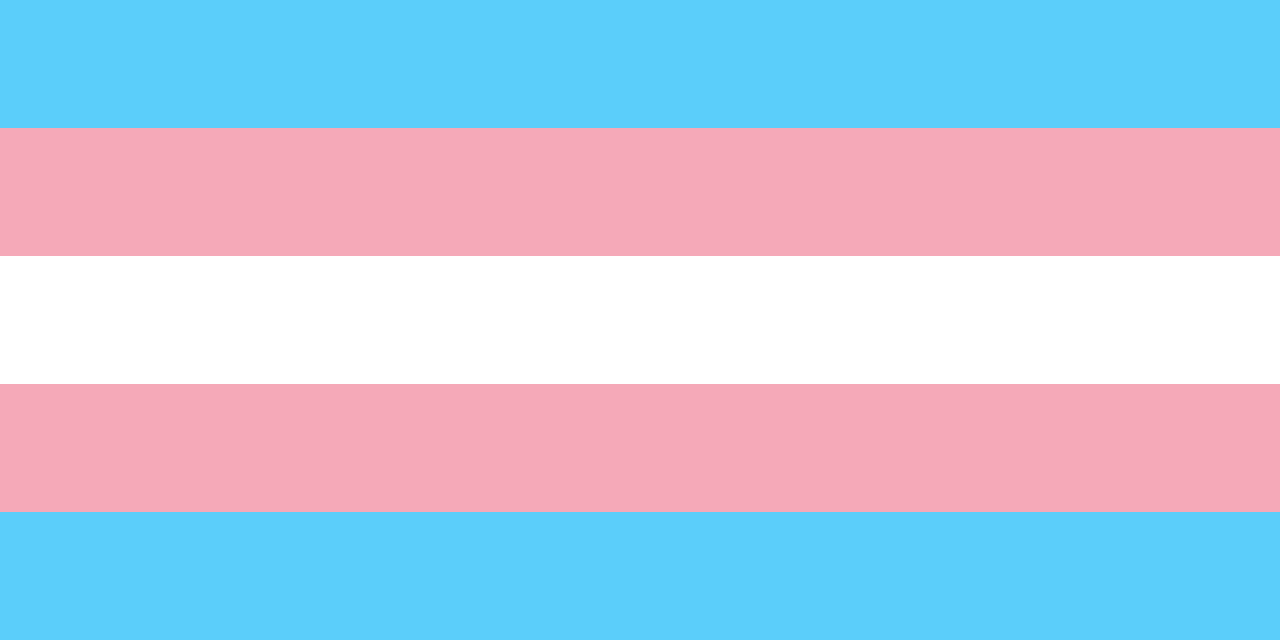
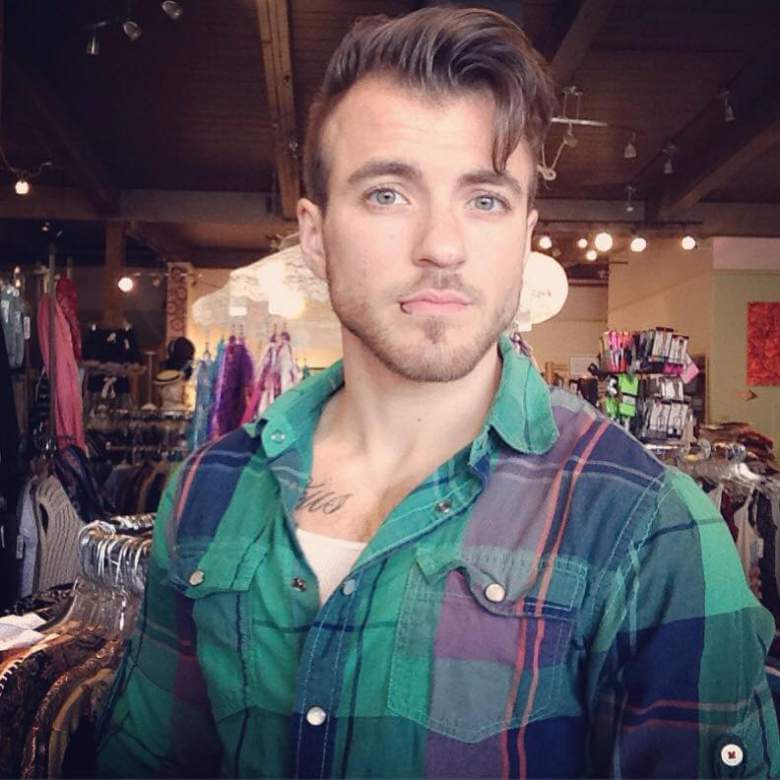




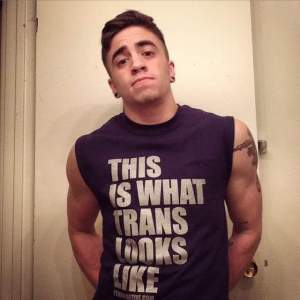




















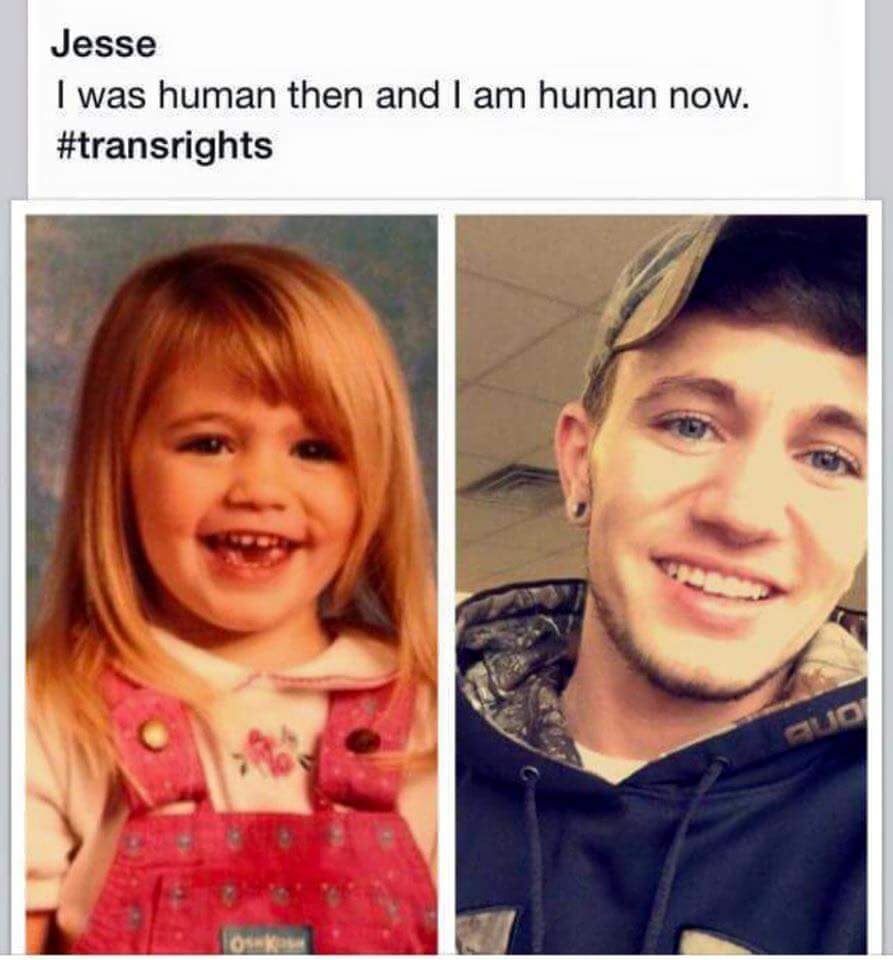

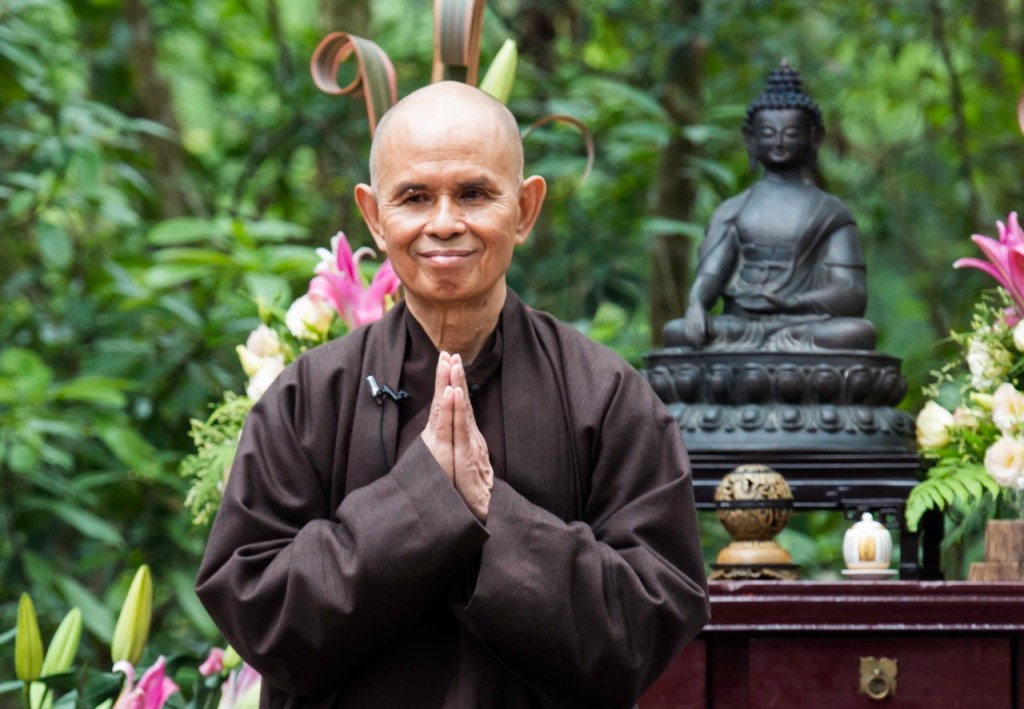
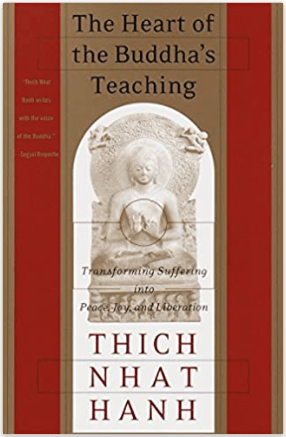


The Darkest Corners of the Cyber World: Sexual Predation and Exploitation
Posted on May 12, 2017 by Kēphen
Leave a Comment
The Darkest Corners of the Cyber World:
Sexual Predation and Exploitation
Sexual predation and exploitation is the topic of this article, more specifically it’s about catfish who use social media and social apps to seduce and trick young men and women into sending naked photos and sexually themed videos, and then turn around and post that sexual content of the unsuspecting victim online for others to see, sometimes including the victim’s name, physical location, and links to their social media profiles.
Another form of sexual predation is “sextortion.” This kind of abuse involves mostly threats of public humiliation if the victim does not comply with the demands of the predator.
According to a study by the Brookings Institution (the only known study of its kind) involving 78 prosecuted cases and over 1,397 known victims, minors under the age of 18 make up 71% of victims. The average age of child victims is 15.
They also found that 91% of these cases involved social media manipulation through which threats, coercion, and exploitation occurred. In 17% of cases the predator demanded in-person sexual contact. The details in these cases are horrific. The things these predators forced their teen victims to do on camera would haunt the most stoic of us.
When it comes to adult victims of sextortion, the majority of victims are female and 43% of victims have their computers hacked. This includes email accounts, social media accounts, computer hard drives, cloud drives, and webcams.
Sexual exploitation online has become a trend in the last few years, it has become almost like a sport to sexually exploit unwitting victims, to see just how many victims they can take advantage of.
In one of the case studies I read while writing this article, a sexual predator catfished as a young girl and had tricked a 14 year old boy into sending him explicit photos and videos.
Afterwards the sexual predator informed the teenager that he had been tricked, and then threatened to send the boy’s explicit content to the teen’s classmates, friends, and family, if the teen did not continue sending new explicit content.
The details in the case go on to mention text and email exchanges between the predator and teen, where in the boy continuously begs the man to stop and delete his photos and videos, but the predator replies with threats and demands.
Out of fear, the boy continued to take explicit photos of himself, recorded video clips of sexual acts, and performed degrading and obscene sex acts live in front of his webcam, based on the demands of the predator.
Eventually the boy told someone at school what was happening, and the school contacted his parents. The teen had been too embarrassed to tell his parents the horrific events that had been unfolding, right inside their own home.
The predator was caught by tracing his IP address, he was charged with sexual extortion, sexual exploitation of a minor, and the possession and distribution of child pornography.
The kind of sexual predation or exploitation that I will be covering for the most part in this article is not sextortion, but rather what’s called “straight baiting,” by which heterosexual boys, teens, and young adult males are tricked into voluntarily sending sexual content to people catfishing as someone else.
At first you might think such a thing is rare or that you yourself would never fall into such a trap. Or maybe you have already become a victim of this scheme? Or perhaps you think such things only happen to idiots?
The horrifying reality is, in fact, that there’s a high chance one of you reading this right now have been a victim of this crime and don’t even know it. The truth is that it happens every single day to countless young men and women in the United States, United Kingdom, and around the world.
It mostly happens to those between the ages of 18 and 30, but as you have already learned from the Brookings Institution’s study, the victims of sexual exploitation can be anyone with a phone and a social app installed on it. If you’re a parent, I highly recommend you read and take note of what I have to say.
For the past year I have spent time doing independent investigation on how this type of exploitation takes place, where the photos end up, who the catfish are, why they’re doing it, who the victims are, and what the aftermath entails. My research spanned from July 31, 2016 to today (May 12, 2017). In this time span and since, I have personally communicated with more than two-dozen victims.
Most of us know what an online catfish is. If you don’t, it’s someone online who’s pretending to be someone they’re not by using another person’s photos on a fake online account or profile in order to get something from someone else. What they want could just be attention, but it might also be money, sexual content, power, or vengeance.
Catfish, in the sense that I’m using it here, can also be called other names. When it comes to the specific situation that I’m referring to (tricking others into sending nudes) the act is known most commonly as “baiting.” It’s also been called fishing or hooking. For this reason, the perpetrators are called baiters or fishermen.
These perpetrators are actually sexual predators in every sense of the words. They prey on young men and women to exploit them for sexual purposes, this act is a form of sexual predation or sexual exploitation.
So who exactly are these sexual predators? They can be anyone who wants the victim’s photos or videos, money, sexual admiration, submission, etc.
For example, if the victim is a young man, then the predator can be a woman, but is almost always another man who is attracted to him, but doesn’t believe himself attractive enough, or the right age or gender, to receive the young man’s attention, so he catfishes online as a girl or more attractive guy and begins contacting the young victim online through social media sites or social apps like Snapchat.
Over a period of time, a period that can be hours or even weeks or months if he’s good at it, the predator will either build the victim’s trust or play on his sexuality, attempting to seduce him and encourage him to send naked photos and sexual videos of himself.
These predators are very good at what they do, playing on people’s weaknesses such as recently breaking up, their loneliness, if they know the victim to be in a negative relationship, is a social outcast, or someone who likes attention. They will often learn about their victim before approaching them online.
Once she or he has the young man’s photos/videos in possession, many things can happen. She or he may keep them for herself or himself, or may post them online to share with others. Sometimes this sharing is done freely, sometimes the predators will charge a fee to view or download the sexual content on sites such as Tumblr, any number of public porn sites, from a cloud drive such as Google Drive or Dropbox, or a private website specifically hosted by the predator.
Most often in the cases I’ve encountered, the predator is a gay man trying to get nude photos of a young straight guy because he finds the guy attractive but knows he will never be with the guy, or because he hates the guy and wants to trick him into sending nudes to embarrass him by posting them publicly online, or has the intention of blackmailing the guy for money.
In all scenarios he will conceal (catfish) himself online and bait young attractive straight men, pretending to be a pretty young girl.
How do they successfully pose as girls? They are shockingly sophisticated and determined. They first have to acquire photo sets and videos of pretty girls. They can do this a number of ways.
One way is through female friends willingly sending them sexual content to aid in the baiting of the straight guy because the female friend thinks it’s funny, but most often, the predator on his own collects nude photo sets and videos of pretty girls from online searches through Google or from sites such as Tumblr, where other guys have already posted photos from girls they’ve seduced or baited.
Usually this sexual content includes both photos and videos of the same girl. There are various types of apps used in the exchange of these photos and videos. These apps include Snapchat, Kik, Instagram, Facebook Messenger, among others.
Some of these apps have new systems set in place to prevent the user from sending any kind of content other than “live” content or at least will differentiate between archived media and live media. “Live” in this instance means the photo was just directly captured or the video was just recorded by the app right before it was sent from one user to another.
These predators, however, have found ways around that issue and successfully send archived/saved photos and videos as “live” content.
How you might wonder? Many of the older versions of these apps are still available for download online. Older versions that do not require content to be taken or recorded as they are sent. In other words, the predator can send a photo they have saved on their phone to the victim as though they had just taken the photo with their phone’s camera, and the young man who receives it is none the wiser.
If the predator can’t find an older version of the app online, there are other options. Such as created apps. That’s right, there are apps available for download who’s sole purpose is to trick people through other common social apps.
An example is an app called “Fake Camera”. This app allows Kik predators to send photos from their phone gallery to a recipient who receives it as a photo that says it was just taken from the predator’s camera.
The victim in this case then believes the person he’s talking to really is that pretty young girl in the photo. He genuinely thinks she just took a selfie, but actually the girl is a 50 year old gay man eagerly awaiting the young man’s nudes.
The same process can be done with videos on apps capable of supporting live chats and video sharing. All the predator needs to do is be smart enough to figure out how to trick the young guy into thinking the video feed is live or that it was just recorded specifically for him.
The next question you might ask is why would they do this to these teens and young adults? Whether the predator is young or old, age is essentially irrelevant. I’ve seen both young and old alike, preying on young men.
As I’ve already mentioned, their reasons can be as varied as their targets. The most common reason I’ve observed is for the sole purpose of seeing the young guy naked. On less common occasions it is to embarrass the young guy by exposing him online, or as an act of revenge against him, or simply to earn money.
Money can be a strong motivating factor. The predator may contact the victim afterwards and inform him that he’s been tricked and that the predator now has a collection of nude photos/videos of the victim committing sexual acts. The predator will then tell the victim to send more or he will be exposed online or the victims friends, classmates, or family will anonymously receive the photos/videos. The predator may make other demands in accordance with his desires.
If he chooses not to tell the victim, he may try to sell the victim’s photos and videos online. Depending on how desirable the victim appears to others, predators can earn anywhere between $5 – $100 per photo, photo collections, or videos of the victim engaged in sexual acts.
No longer do sexual predators have to take photos of their victims, today victims willingly and unknowingly take the photos of the themselves and send them right to the predator, completely unaware they’ve been sexually exploited.
In the beginning I said that most victims are 18 – 30, however I have seen comment threads where users are requesting photos and videos of people younger than that, proclaiming they will pay for “quality” photos and videos of targets under the age of 16.
If you’re a parent, then you already know there are bad people out in the world and that your children have more to worry about than burning their hand on the stove. In a time when our lives are so connected to social media and social apps at a very young age, it’s more important than ever that you watch over your kids with intense vigilance. The closer your child gets to and into adolescents, the more concerned you need to become.
When your young teenager is sitting on the couch messaging someone you may very well assume it’s a friend from school, but it could be a sexual predator slowly sinking his or her hooks into your teen through Facebook, Snapchat, Kik, Instagram, or some other app, trying to get them to send nude photos by any means necessary and then telling your teen to delete all traces of the photos or conversation so your teen doesn’t get discovered by you.
So what if you suspect your teen has been baited? First, you need to have the kind of relationship with your son or daughter that they will tell you what has happened, provided they even know.
Those that are aware they’ve been tricked are ashamed of the photos and videos, filled with guilt that it happened, disappointed in themselves for being fooled, and often times too embarrassed to tell a parent. So you must have an open and trusting relationship, where by you won’t immediately be angry with them. Remember they are the victim!
If your son or daughter is under the age of 18, then you need to contact local law enforcement immediately. The sexual exploitation of a minor is a felony charge. Do not block the user who received the nude photos, do not delete the app, until officers can retrieve any data points that can be used in tracing down the predator. They need the information when they contact the social application for things such as the user’s personal information and ISP address.
If you believe or know your teen’s photos have been posted online publicly or have been shared privately online, but they are not a minor, then you need to contact the website administrator to report the abuse and have the photos taken down off the site.
A predator can be taken to court for sharing someone’s nude photos without the consent of that person, if evidence can be presented. This is possible because when you take photos of yourself, these photos are your property. Applications like Kik or Snapchat, have the legal right to receive and send your photos because by creating an account and accepting the terms of use, you give them that right. Other users, however, are only given the right to receive them.
From what I’ve learned, most baiters will honor a victim’s request to take down the photos without any serious threats of legal action. Often times it’s best to both contact the user who posted them and the site administrator to have them deleted. This way, the user knows he or she has been discovered by the victim.
If your teen has been harassed or coerced into sending sexual content with threats of public exposure, further charges can be added to the case such as extortion.
If you have been a victim of sexual exploitation, then there’s a few things you need to do after requesting your photos be taken down off a private website or public social media site.
The reason for this is that the person who posted them online may not be the person you originally sent them to and therefore not the original person spreading them online. In fact, in most cases the content has already been shared with hundreds to thousands of people online.
The website owner may have bought them from the baiter. But buying them doesn’t give him or her a right to post them of course, as stolen property still belongs to the creator of the content (you).
If you sent the photos through a social app like Snapchat, make sure you have that person blocked on Snapchat or whatever app was used. Since your photos and name have been posted out there, I would advise to never respond to messages from accounts you don’t know who want to exchange photos with you. You will now be a target for other baiters who believe you to be an easy target.
In the very beginning I mentioned that not only do these baiters, these sexual predators, post your nude photos, but some will also post your full name, where you live, and even links to your Facebook, Instagram, Kik, or Snapchat profiles.
Why? To give other baiters the opportunity to further exploit you. Their goal is to trick you into sending as much sexual content as possible and the more baiters coming after you, the better the chances.
At this point you may have already concluded that none of this would happen if people stopped sexting. In a way, you’re right, but at the same time such a belief is not congruent with reality. The raging hormones of adolescents and young adulthood, loneliness, social rejection, sexual frustration, all prevent that kind of abstinence from sexual exploration and curiosity, especially when it comes to guys. They are the most common victims of this specific type of sexual exploitation.
So finally you may be wondering what all of this does to a victim. As you might suspect, fear, anxiety, depression, suicidal ideology (some victims did die by suicide), social isolation, hopelessness, loss of appetite, distrust, all of these have been reported by victims or their families.
From the victims I spoke with personally, they expressed fear about the photos still being out there somewhere on the internet. They worried about losing their job over it, or not being able to get a job if it became publicly known that their nude photos were on the internet for all to see.
Young athletes worried they would not get scholarships. Others worried that their girlfriend/wife would separate from them. Those that were single, worried that they wouldn’t get dates because of it.
All of them worried about their friends, classmates, teammates, family, coworkers, and romantic partners finding out about the incident and the possible stigma that could haunt them the rest of their life, as the naked photos and videos could resurface at any time on the internet.
In one of the cases reviewed by the Brookings Institution, the sexual predator had amassed 15,000 webcam videos, 900 audio recordings, 13,000 screenshots, all from 230 victims, 44 of which were minors.
Always be skeptical of random or unknown people who contact you or your child through social media sites and social applications. Not everyone is who they say they are, and in this world not all people are inherently good, some are just looking for their next victim. Don’t let you or your child be that victim.
If you or someone you know is experiencing a mental health or substance use crisis, please access my immediate assistance resource page. A comprehensive listing of online and phone resources and services is also available.